
When you taste a wine with bright acidity, fresh fruit character and a sense of balance, its growing conditions may have played an important role in shaping what is in your glass. These qualities are often associated with cool-climate wines, but what does the term actually mean?
Cool-climate wine refers to wine made from grapes grown in regions where temperatures and seasonal conditions provide a relatively limited amount of heat during the growing season. These conditions influence how quickly grapes ripen, how they develop flavor and how naturally occurring acids change as the fruit matures.
Oregon’s Willamette Valley is a well-known example. Its growing season, with warm summer days and cooler evenings, supports varieties such as Pinot Noir and Chardonnay. Understanding the relationship between climate and grape development offers a better appreciation of why wines from this region have their own distinctive character.
What Is Cool-Climate Wine?
Cool-climate wine is made from grapes grown in regions with relatively low heat accumulation during the growing season. Rather than relying on consistently high temperatures to ripen fruit, vineyards in these regions often experience a longer, more moderate period of grape development.
The term describes growing conditions, not a specific wine flavor or production method. It also does not mean that a vineyard must experience freezing temperatures or cold weather throughout the year.
In viticulture, the amount of warmth available during the growing season helps determine which grape varieties can ripen successfully in a particular location.
Understanding Cool-Climate Viticulture
Grapevines need warmth and sunlight to grow, develop fruit and reach maturity. However, different grape varieties have different heat requirements.
Pinot Noir, Chardonnay, Riesling and Pinot Gris are among the varieties generally suited to cooler growing conditions. They can develop successfully in regions where the growing season provides enough warmth for ripening without the consistently high temperatures associated with warmer winegrowing climates.
Oregon State University Extension uses growing degree days to help evaluate whether a region has sufficient seasonal heat for particular grape varieties. Its vineyard guide identifies approximately 1,800 to 2,500 growing degree days as a general range for several cool-climate cultivars, including Pinot Noir and Chardonnay.
These figures are a viticultural reference rather than a universal definition of cool climate. Actual suitability also depends on the vineyard site, grape variety, season length and other growing conditions.
Cool Climate Does Not Mean Underripe Wine
One common misconception is that cool-climate wines are automatically sour, thin or lacking in fruit.
That is not necessarily the case.
Cooler growing conditions can slow the pace of grape development, but successful viticulture is about allowing fruit to reach an appropriate level of maturity. Growers monitor the vineyard throughout the season, considering factors such as sugar levels, acidity, flavor development and the condition of the grapes.
A well-made cool-climate wine can have expressive fruit, texture, structure and complexity. The goal is not simply to produce less-ripe fruit, but to achieve balance while reflecting the conditions in which the grapes were grown.
How Does a Cool Climate Affect Grape Growing?
Climate influences several stages of grape development, from the beginning of the growing season through harvest. Temperature patterns, sunlight and the length of the season all contribute to how grapes mature.
Understanding a few basic viticulture concepts makes it easier to see why growing conditions matter.
Growing Season and Heat Accumulation
One way vineyard managers evaluate a growing season is through growing degree days (GDD).
Growing degree days measure accumulated warmth over time. In the Oregon State University Extension method, daily average temperatures are compared against a base temperature of 50°F. The resulting daily values are added together over the growing season, generally April through October for Oregon wine grape regions.
This measurement helps growers understand whether a location receives enough seasonal heat for a particular grape variety to ripen.
For example, Pinot Noir and Chardonnay generally require less heat accumulation than varieties such as Cabernet Sauvignon and Merlot. This is one reason they are well suited to many of Oregon’s cooler winegrowing areas.
However, growing degree days are only one part of the picture. They do not account for every factor affecting grape development, including rainfall timing, sunlight exposure, soil conditions and extreme weather events.
Warm Days and Cooler Nights
The difference between daytime and nighttime temperatures is another important feature of many cool-climate wine regions.
During the day, grapevines use sunlight to support photosynthesis and produce the sugars needed for growth and fruit development. At night, cooler temperatures can slow certain metabolic processes, including the breakdown of malic acid in developing grapes.
Malic acid contributes to the natural acidity of wine grapes. Its concentration generally decreases as berries mature, with warmer conditions often accelerating that process.
Cooler nights can therefore help slow acid loss during ripening, although the final acidity of the grapes also depends on variety, season, vineyard conditions and harvest timing.
This balance between daytime warmth and nighttime cooling is one reason cool-climate regions can produce grapes with both ripe fruit characteristics and refreshing acidity.
Why a Longer Growing Season Matters
The length of the growing season can be just as important as the average temperature.
A relatively extended season gives grape varieties more time to progress through their development. Depending on the weather and vineyard conditions, this can allow growers to monitor changes in sugar, acidity, seed maturity and flavor before deciding when to harvest.
It does not mean that a longer season automatically produces better grapes. Rainfall, heat events, frost and other seasonal conditions can influence the outcome.
Ultimately, the objective is to give the fruit enough time to develop while responding to the conditions of each growing season.
Why Is Oregon’s Willamette Valley Known for Cool-Climate Wines?
Oregon has several distinct winegrowing regions, but the Willamette Valley is particularly well known for its cool-climate varieties, especially Pinot Noir and Chardonnay.
Its geography and seasonal weather patterns create conditions that support these grapes.
The Influence of Geography and the Pacific Ocean
The Willamette Valley stretches for more than 100 miles between the Portland area and just south of Eugene. The Coast Range lies to the west, while the Cascade Mountains form the eastern boundary.
These mountain ranges help moderate the region’s climate. The Coast Range provides protection from colder Pacific weather systems, while the Cascades separate the valley from the drier conditions of eastern Oregon.
The Pacific Ocean also influences regional weather patterns, contributing to the valley’s maritime climate.
These geographic features help create a growing environment that differs from hotter, drier winegrowing areas elsewhere in the state.
Warm Summers, Cool Evenings and a Long Autumn
The Willamette Valley is known for its relatively warm, dry summers, cooler evenings and extended autumn.
According to the Willamette Valley Wineries Association, regional growing-season reference data for McMinnville records typical June-to-September daytime highs of approximately 79°F and nighttime lows of around 50°F.
The same regional data reports approximately 2,285 growing degree days from April through October.
These figures help illustrate the moderate heat accumulation associated with the region. They are regional reference measurements, not a description of every vineyard or every vintage.
The combination of daytime warmth and nighttime cooling can support gradual grape development while helping maintain natural acidity. A relatively dry summer also provides favorable conditions for managing the vineyard as fruit approaches maturity.
One Region, Different Growing Conditions
Although the Willamette Valley is recognized as a cool-climate wine region, conditions are not identical throughout the appellation.
The region includes eleven nested American Viticultural Areas (AVAs), each with its own combination of geography, elevation, soils and local climate.
Dundee Hills is one of these AVAs. Its vineyard sites have distinctive growing conditions that contribute to the character of wines produced there.
This regional diversity is important because climate alone does not determine how a wine will taste. The individual vineyard site and the way its grapes are farmed and handled also play significant roles.
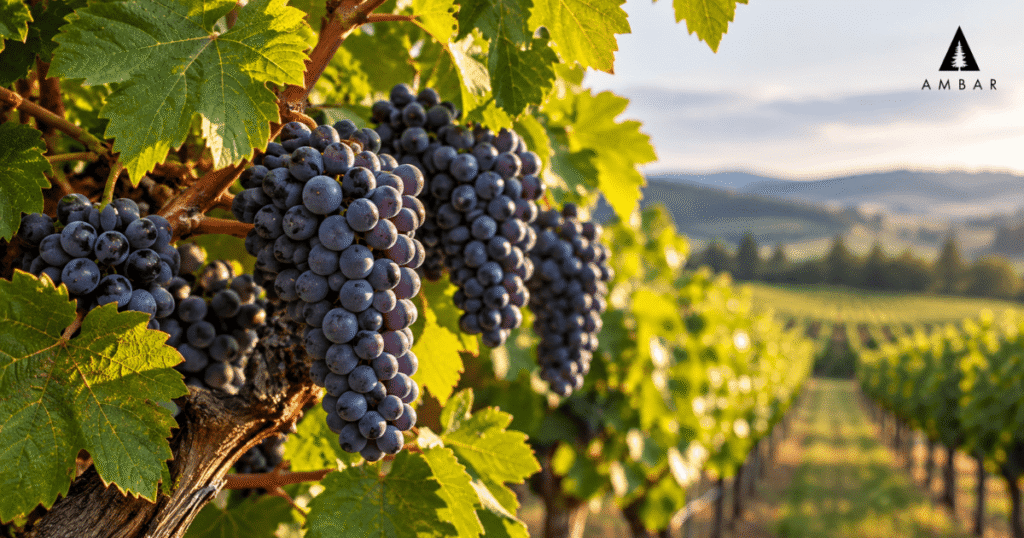
Which Grape Varieties Thrive in Cool-Climate Regions?
Cooler growing conditions are particularly suitable for several grape varieties that benefit from a moderate pace of ripening.
In the Willamette Valley, Pinot Noir and Chardonnay are two of the most important examples.
Pinot Noir: Freshness, Aromatics and Structure
Pinot Noir is closely associated with cool-climate winegrowing regions, including Oregon’s Willamette Valley.
It is a relatively delicate grape variety that responds noticeably to differences in growing conditions. Temperature, sunlight, seasonal weather and vineyard management can all influence its development.
Depending on the site and vintage, Pinot Noir can express red-fruit characteristics such as cherry, cranberry and raspberry, alongside floral, herbal or earthy notes.
Its natural acidity and relatively fine tannin structure can contribute to wines that feel fresh and balanced rather than heavy.
However, not every cool-climate Pinot Noir tastes alike. Ripeness, vineyard conditions, winemaking decisions and time in the cellar all influence the finished wine.
Chardonnay: Balance and Versatility
Chardonnay is another variety well suited to cooler winegrowing regions.
In these conditions, it can develop fresh fruit characteristics while retaining natural acidity. Depending on the growing season and winemaking approach, its aromas and flavors may include citrus, green apple, pear and stone fruit.
Chardonnay is also particularly versatile in the winery. Fermentation vessels, barrel selection, lees contact and maturation can influence its texture, complexity and overall style.
This means two Chardonnays from the same broad region can taste quite different, even when both are made from fruit grown under similar climatic conditions.
Other Cool-Climate Varieties
Although Pinot Noir and Chardonnay receive much of the attention in the Willamette Valley, they are not the only varieties suited to its growing conditions.
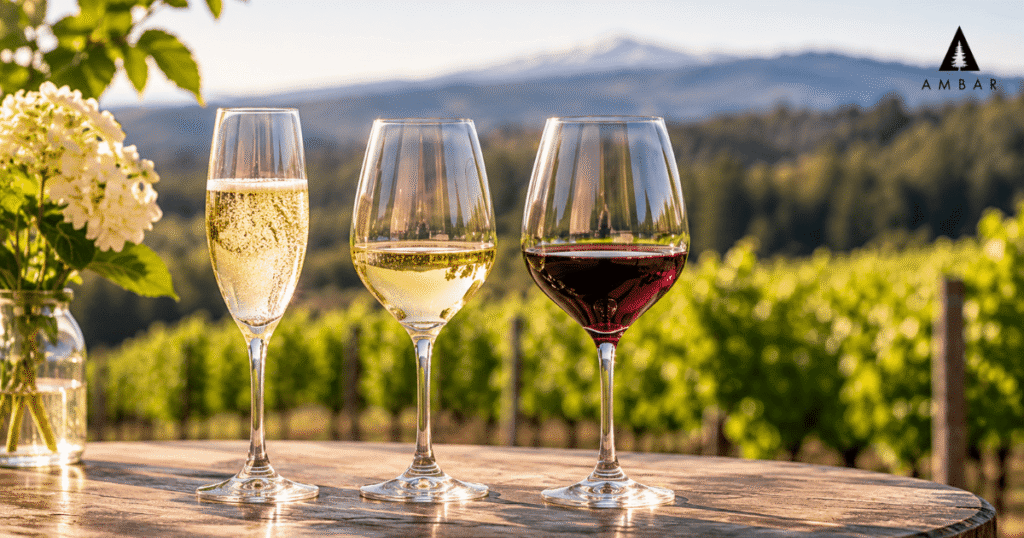
Pinot Gris and Riesling are also established regional varieties. The valley produces sparkling wines as well, including traditional-method wines made from varieties such as Chardonnay and Pinot Noir.
Together, these grapes demonstrate that cool-climate viticulture can support several different wine styles, from fresh white wines to structured reds and sparkling wines.
What Does Cool-Climate Wine Taste Like?
There is no single flavor profile that defines every cool-climate wine. The grape variety, vineyard location, vintage and winemaking approach all influence the finished wine.
However, certain characteristics are commonly associated with grapes grown in cooler regions.
| Characteristic | What it can contribute to the wine |
| Natural acidity | Freshness, liveliness and balance |
| Gradual ripening | Time for fruit and aromatic development |
| Moderate sugar accumulation | Potential for balanced alcohol levels, depending on ripeness and winemaking |
| Varietal expression | Distinct fruit, floral and other grape-specific characteristics |
| Balanced structure | A relationship between acidity, fruit, tannin and texture |
In Pinot Noir, this may translate into fresh red-fruit aromas, delicate floral notes and lively acidity.
In Chardonnay, it can mean citrus and orchard-fruit characteristics supported by refreshing acidity and a balanced texture.
These are common possibilities rather than fixed rules. A warmer vintage, a particularly exposed vineyard or different winemaking decisions can produce a very different result.
The most useful way to understand cool-climate wine is to recognize how growing conditions contribute to the character of the grapes, rather than expecting every bottle to taste the same.
How Vineyard Conditions Shape the Expression of Cool-Climate Wines
Climate provides an important foundation, but it is only one part of what makes a vineyard distinctive.
Elevation, slope, sunlight exposure, soil characteristics and vineyard orientation can all influence how vines grow and how grapes develop.
Farming decisions matter too. Canopy management, crop management and attention to vine health help growers respond to conditions throughout the growing season.
These factors are part of the broader concept of terroir: the relationship between a vineyard’s natural environment and the character of its wines.
In the Dundee Hills, individual vineyard sites can express these differences in their own ways. Understanding the influence of elevation on Pinot Noir offers another perspective on why location matters beyond the broader regional climate.
Ultimately, a wine’s character comes from the interaction of its growing environment, vineyard practices and winemaking decisions.
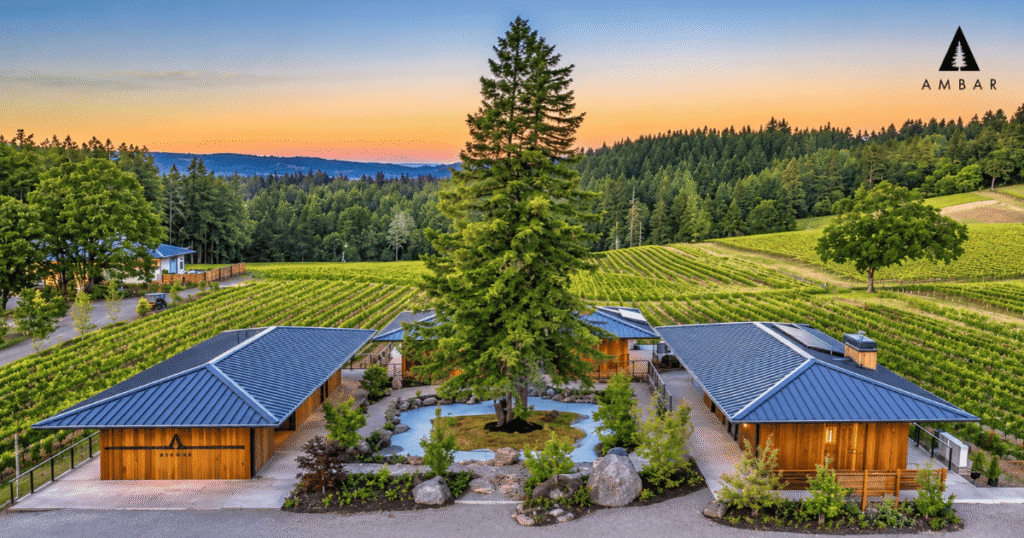
Discovering Cool-Climate Wines at Ambar Estate
Located in the Dundee Hills of Oregon’s Willamette Valley, Ambar Estate focuses on estate-grown Pinot Noir, Chardonnay and sparkling wines.
As a Regenerative Organic Certified® vineyard, Ambar Estate approaches winegrowing with an emphasis on soil health, biodiversity and responsible farming. Its vineyard practices reflect a belief that the quality and character of wine begin with the land.
That philosophy continues in the winery, where hand sorting, native fermentation, minimal intervention and thoughtful barrel use help guide the fruit from vineyard to bottle.
Rather than imposing a fixed style on every wine, Ambar’s winemaking philosophy gives attention to the character of the vineyard and the conditions of each vintage.
You can explore the Ambar Estate winemaking philosophy or discover the vineyard’s approach to regenerative viticulture and land stewardship.
For a closer experience, visit the Ambar Estate tasting room in Newberg and explore its estate-grown wines in the setting where they are made. Learn more about visiting Ambar Estate.
Frequently Asked Questions About Cool-Climate Wine
What makes a wine cool-climate?
Cool-climate wine comes from grapes grown in regions with relatively limited heat accumulation during the growing season. These conditions influence how grapes ripen, develop flavor and retain natural acidity. The term describes the growing environment rather than a specific winemaking method.
Is Oregon considered a cool-climate wine region?
Oregon is home to several different winegrowing climates. The Willamette Valley, in particular, is widely recognized for its cool-climate conditions and production of Pinot Noir, Chardonnay and other varieties suited to moderate growing seasons.
Is cool-climate wine more acidic?
Cooler growing conditions can help grapes retain natural acidity because acid loss, particularly malic acid, is often slower at lower temperatures. However, final acidity depends on grape variety, vineyard conditions, vintage and harvest decisions. Not every cool-climate wine will have the same acidity.
Is Pinot Noir a cool-climate grape?
Yes. Pinot Noir is widely recognized as a cool-climate variety because it can ripen successfully in regions with moderate growing-season heat. Oregon’s Willamette Valley is one of the best-known examples of a region suited to growing Pinot Noir.
What is the difference between cool-climate and warm-climate wine?
The main difference begins in the vineyard. Warmer regions generally provide more heat for grape ripening, which can lead to faster sugar accumulation and different fruit characteristics. Cooler regions often allow a more gradual ripening process and can produce wines with pronounced freshness and acidity. The final style also depends on the grape variety, vineyard site and winemaking.
Understanding the Climate Behind Every Glass
Cool-climate wine is about more than cooler temperatures. It reflects the relationship between seasonal weather, grape development and the decisions made in the vineyard and winery. In Oregon’s Willamette Valley, these conditions provide a distinctive setting for varieties such as Pinot Noir and Chardonnay. Understanding that connection makes every glass a little more interesting.