
When David Lett drove north in 1965 looking for land to plant Pinot Noir, he wasn’t looking for the right climate first. He was looking for the right soil.
His son Jason, now the winemaker at The Eyrie Vineyards, remembers it clearly: “He first identified the climate for Pinot Noir, and then the soil. He identified the Jory soils because of their low fertility and their superior water-holding properties.”
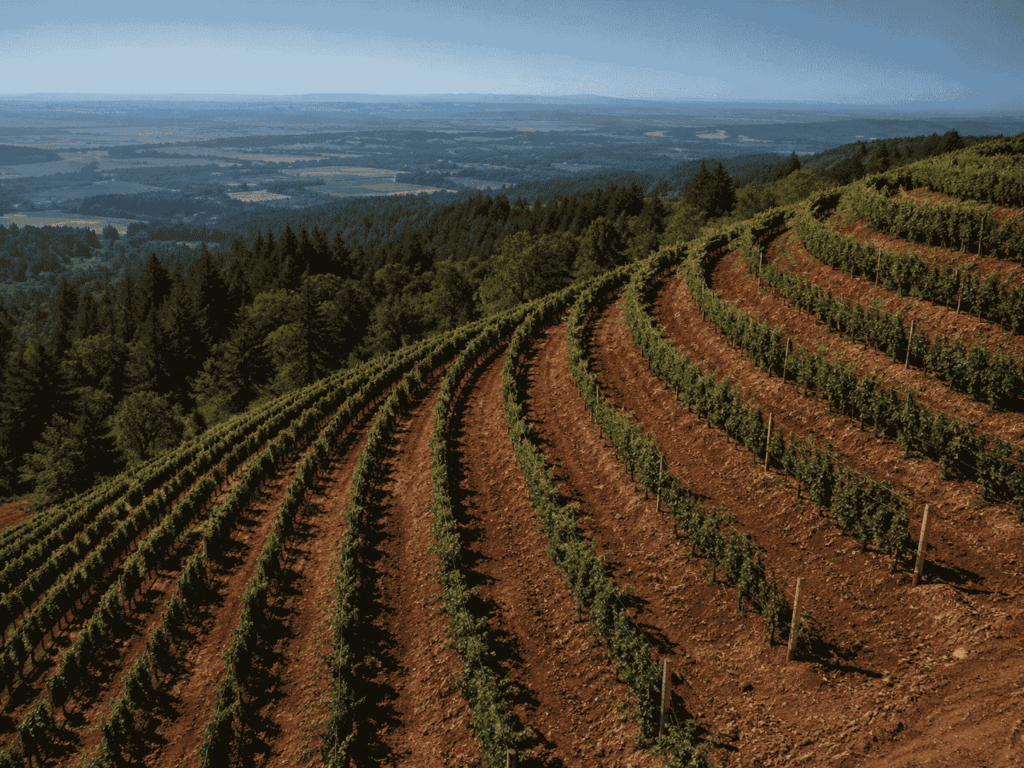
That soil, the iron-rich, rust-red clay beneath the Dundee Hills, is what drew Lett here. It’s the same clay our 13-acre estate sits on today, between 420 and 550 feet of elevation on Worden Hill Road.
This is what it is, where it came from, and why it matters in the glass.
What Jory Soil Actually Is
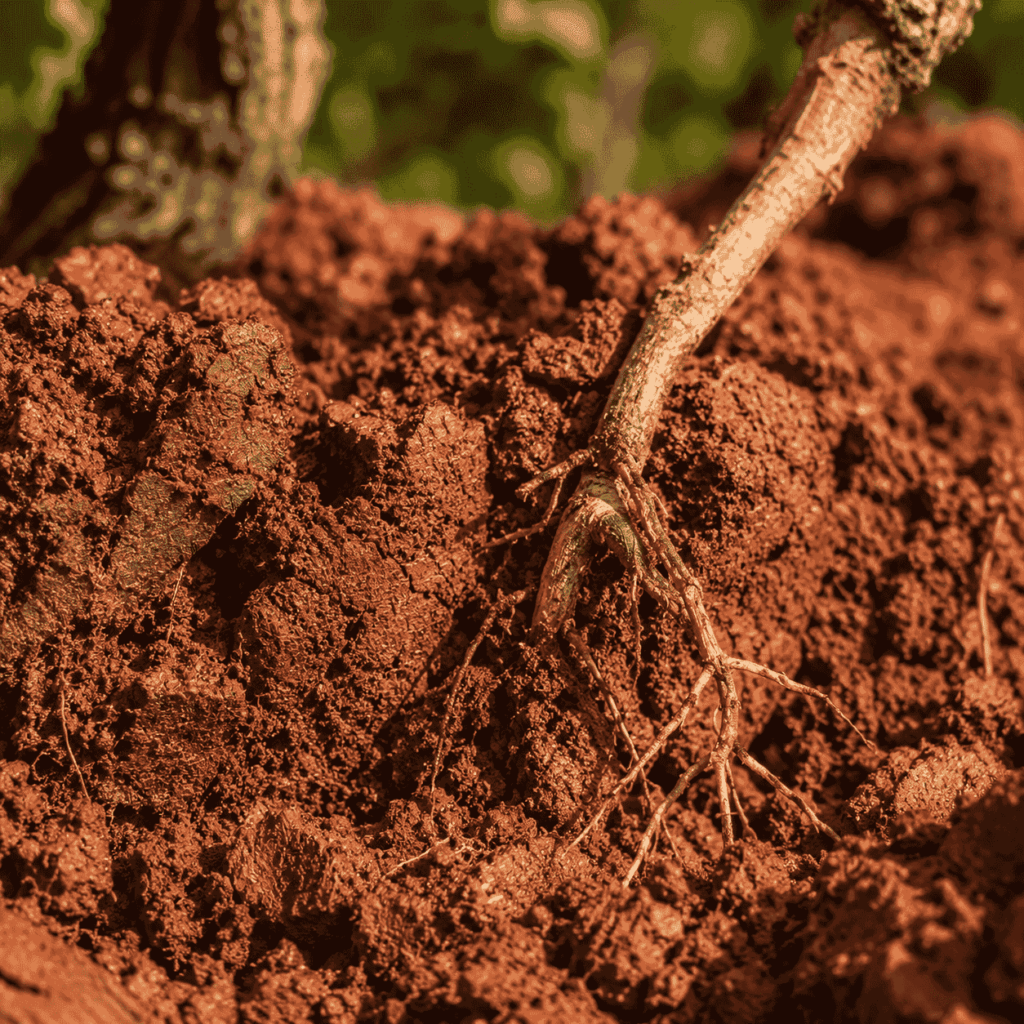
Jory is a deep, well-drained volcanic clay loam, typically 4 to 6 feet deep before hitting bedrock. Its most visible feature is its color, a rust red that comes from iron oxide minerals formed through millennia of slow basalt weathering. Oregon designated it the official state soil in 2011, specifically because of its role in wine production.
It is mapped across more than 300,000 acres in western Oregon’s foothills, classified as a Xeric Palehumult, and found above 300 feet elevation, where it escaped burial by the Missoula Flood sediments.
That last detail matters more than it might seem.
14 Million Years of Geology, One Ice Age Flood
Between 15 and 17 million years ago, basaltic lava flowed west from Eastern Washington to the Dundee Hills. While in most parts of this region the basalt eroded over time, the red hills of Dundee are one of the few ribbons of these ancient volcanic flows that remain.
For millions of years, those basalt flows weathered slowly into the iron and manganese-rich clay we now farm. Then, between 15,000 and 13,000 years ago, the Missoula Floods, catastrophic glacial lake outbursts from present-day Montana, swept through the Willamette Valley and deposited rich sedimentary soils across the valley floor.
The Missoula floods caused a break in the soils and is where the real definition of the Dundee Hills becomes apparent, soils below 330 feet are sedimentary-based, while those remaining above that elevation were predominantly volcanic Jory soil.
Our estate sits between 420 and 550 feet. Every vine grows in ground the Ice Age left untouched.
Why Low Fertility Is the Point
Here is the counterintuitive part: Jory produces great Pinot Noir partly because it is difficult soil to farm in.
Its low natural nutrients restrict vine vigor. Restricted vines produce fewer, smaller, more concentrated grape clusters rather than large quantities of dilute fruit. At the same time, Jory’s clay-rich subsoil holds moisture from winter rains through Oregon’s dry summers, which is why almost all the vineyards in the Dundee Hills are dry farmed, without irrigation.
This is the double function Lett identified in 1965: low fertility forces concentration, high water-holding capacity sustains the vine. Both properties are built into the geology.
At Ambar, our regenerative farming works with exactly this dynamic. No synthetic fertilizers that would override the soil’s natural stress signal. No aggressive tillage that would disrupt the microbial ecosystem built over millennia.
Our sonar-based soil mapping dictated exactly how we laid out the vineyard, from row direction to rootstock selection, matching 11 distinct Pinot Noir clones and 3 Chardonnay clones to their specific blocks.
What Jory Tastes Like
The higher iron content of Jory soil is responsible for its striking ruddy hue, and along with significant magnesium content, this soil displays red fruit flavors and aromas such as Bing cherry, red plum, and red currant, with a generally broad mid-palate perception.
The amount of iron and potassium in many volcanic soils can lend a “salty sweetness” to the resulting wines, and Pinot Noir from areas with iron-rich, clay volcanic soil tends to be quite elegant.
Elegance is the word that comes up most consistently from winemakers working this ground. Not concentration for its own sake. Not extraction or power. A fine-grained, specific, mineral-edged elegance that is recognizable in the glass vintage after vintage.
Lange Estate’s Don Lange put it plainly: “Dundee Hills fruit has more predominant spice characteristics, cinnamon, clove, allspice, cardamom. The spice from the volcanic Jory soils seems pretty consistent vintage to vintage.”
The Same Ground, Farmed Differently
Most Dundee Hills wineries farm Jory. We’re the only one in this AVA that farms it under Regenerative Organic Certification.
That distinction isn’t cosmetic. We minimize tillage to maximize carbon sequestration and protect the complex underground ecosystem of microbes and fungi that exchange nutrients with our vines. Our Shetland sheep graze the cover crop each winter.
Our owl and kestrel boxes do what rodenticide would otherwise require. The soil we inherited when we arrived, never farmed, high in organic content, is the same soil we are actively working to improve.
What the geology gave us, regenerative farming protects.
Taste It for Yourself
The best argument for Jory soil isn’t scientific. It’s the wine.
Our Sacra Terra Pinot Noir and Estate Pinot Noir are grown on this same clay, from 11 site-specific clones matched to the exact drainage and composition of their blocks. Judge’s Pick at Sip Magazine. 94 points from the International Wine Report. But the scores tell you less than the glass.
Come visit us on Worden Hill Road. Stand in the red dirt. Taste what 14 million years of volcanic geology produces when it’s farmed without compromise.
Book an Estate Tasting
Shop Dundee Hills Pinot Noir
Explore Our Land & Farming Philosophy
Read: How We Grow Wine Without Chemicals
Frequently Asked Questions
What makes Jory soil different from other vineyard soils?
Ancient volcanic clay formed 14 million years ago, low in fertility, high in water retention. It forces vines to concentrate rather than spread, producing smaller, more intense fruit.
Why do Dundee Hills Pinot Noirs taste different from other Oregon Pinot Noirs?
The iron and magnesium in Jory clay drive a consistent signature, bright red cherry, baking spice, and a subtle mineral finish that shows up vintage after vintage.
What elevation does Ambar Estate sit at, and why does it matter?
420 to 550 feet, above the 330-foot line where Ice Age floods buried the original Jory clay. Every vine we grow sits in volcanic soil the Missoula Floods left untouched.
Do you irrigate your Dundee Hills vineyard?
No. Jory’s clay subsoil holds winter rain through Oregon’s dry summers. We dry farm entirely. The soil sustains the vine. We stay out of its way.
How does regenerative farming protect the Jory soil at Ambar?
No synthetic inputs, ever. Minimal tillage. Shetland sheep instead of tractors in winter. We protect the underground ecosystem this soil has been building for millennia.