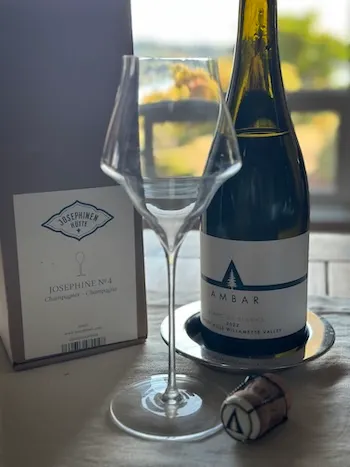
Stemware Smackdown
Does glassware make a difference when tasting sparkling wine? Your humble bubblehead-in-chief wondered. Hence my recent stemware smackdown, pitting one sparkling wine against two different fine wine flutes.
September 2026 Newsletter
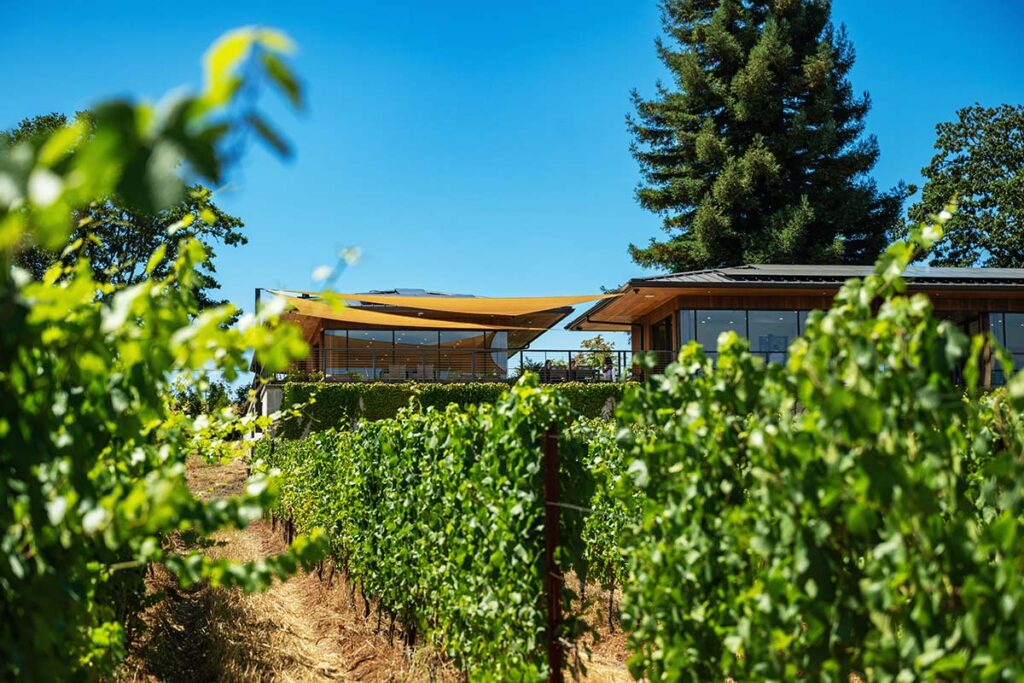
Harvest has officially begun at Ambar Estate, marking one of the most exciting times of year in wine country. As we celebrate Labor Day, we’re especially grateful for the dedicated vineyard stewards who work through the year to monitor the vines and hand-harvest the fruit that will become our 2026 vintage. Their skill, care, and commitment are at the heart of everything we do.
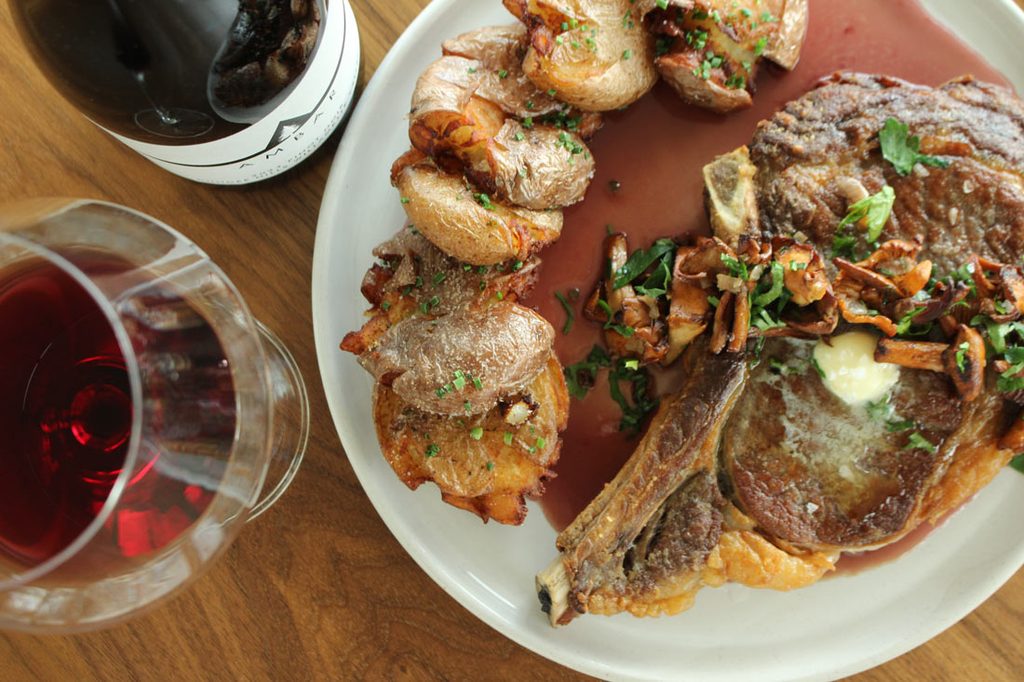
Fall Ribeye with Beurre Rouge
Fall Ribeye with beurre rouge, crispy potatoes and wild mushrooms

A Different Kind of Wine Estate Near Newberg
That attention carries into the glass. Ambar produces estate-grown Pinot Noir, Chardonnay, and rosé, served inside a modern, glass-walled tasting room overlooking the vineyard.
Wine Enthusiast’s Best Winery Restaurants 2026
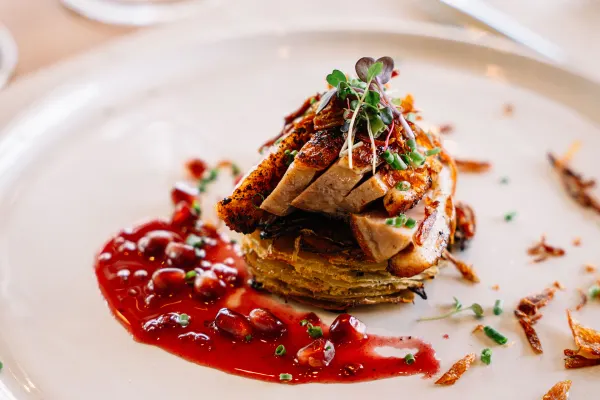
Ambar Named One of the World’s Best Winery Restaurants by Wine Enthusiast. Ambar is the only Oregon winery named by Wine Enthusiast, and one of 57 in the world.
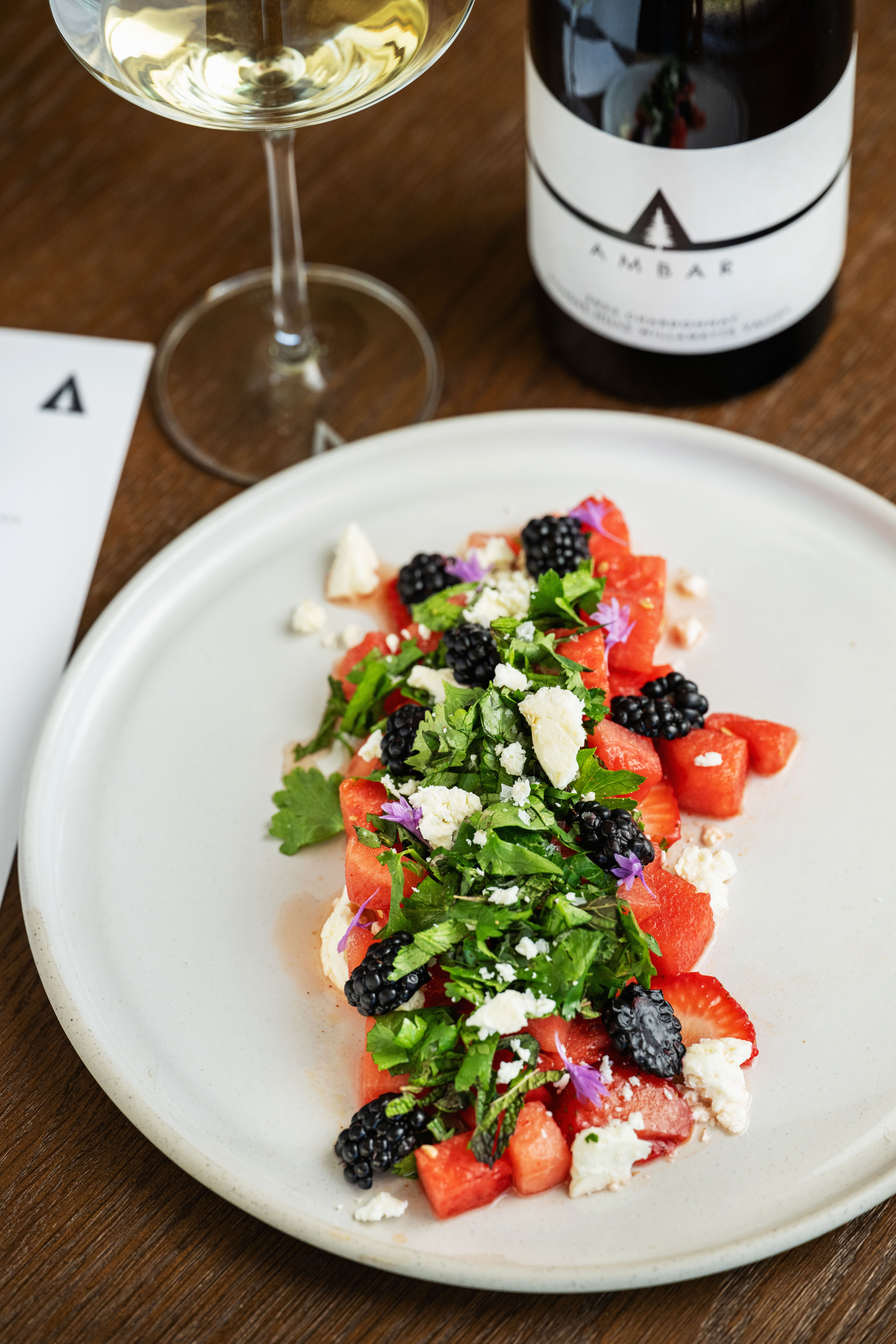
Watermelon & Summer Berry Salad
Bright, refreshing, and vibrant, this Watermelon & Summer Berry Salad combines juicy seasonal fruit, smoky feta, fresh herbs, and a touch of honey for a light and flavorful summer side dish.
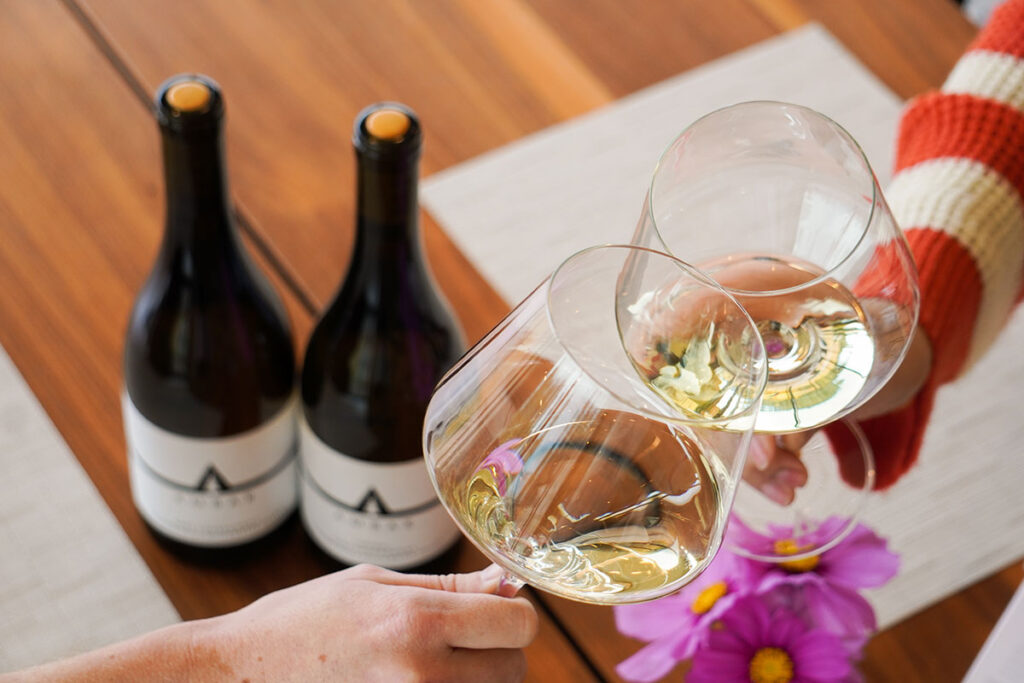
KOIN Wine Wednesday: Ambar Estate lands spot on top winery restaurant list
Ambar Estate is one of the first certified regenerative organic vineyards in the Willamette Valley and just landed on Wine Enthusiast’s “Top Winery Restaurants in the World” list for 2026.
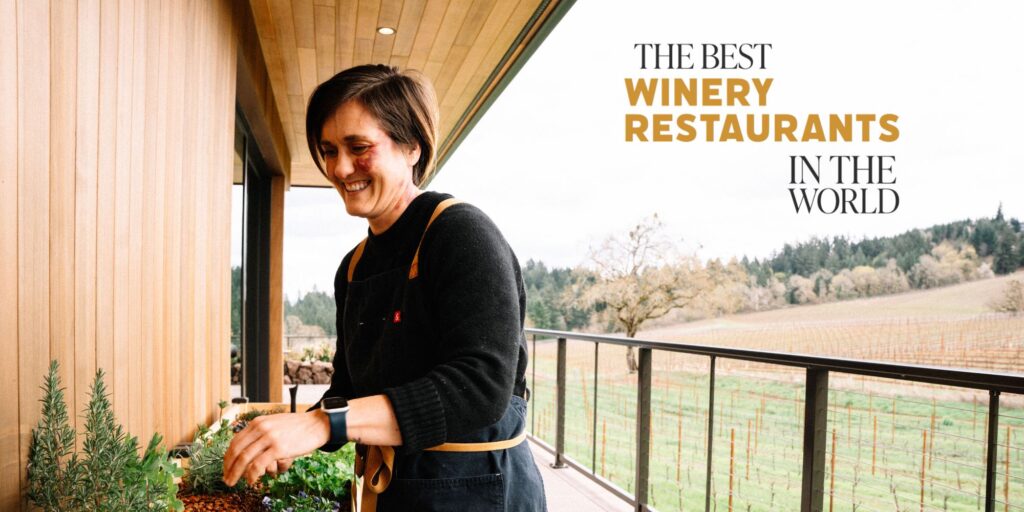
August Newsletter 2026
Ambar Estate is proud to announce its recognition by Wine Enthusiast as one of the Top Winery Restaurants in the World.
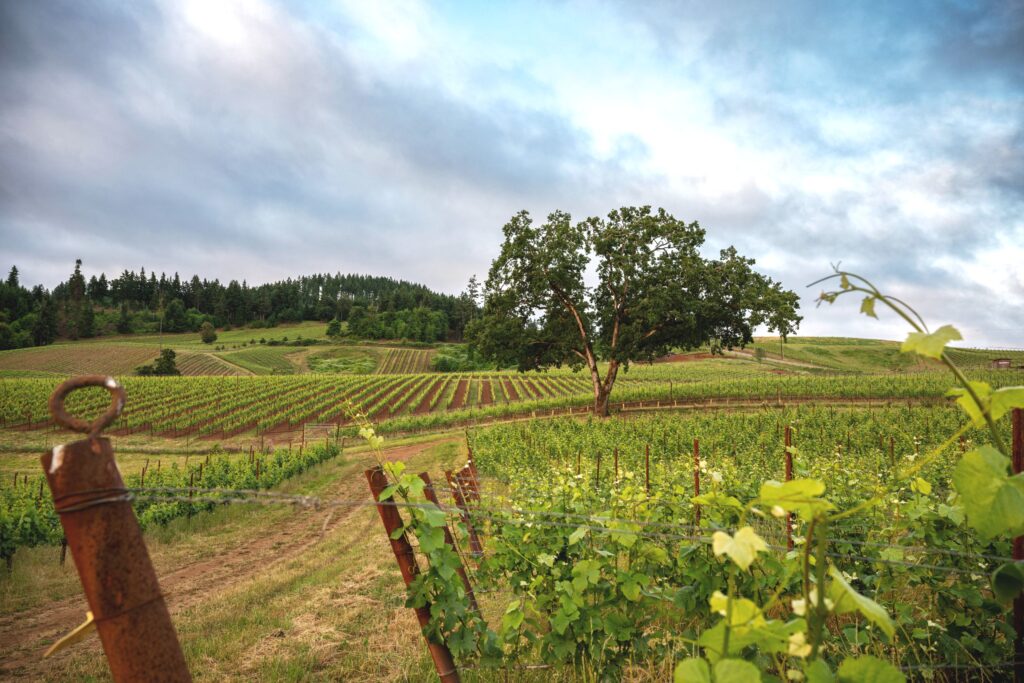
July Newsletter 2026
Summer has arrived in the Dundee Hills, and we look forward to beautiful moments with a glass of Ambar wine in hand.
June Newsletter 2026
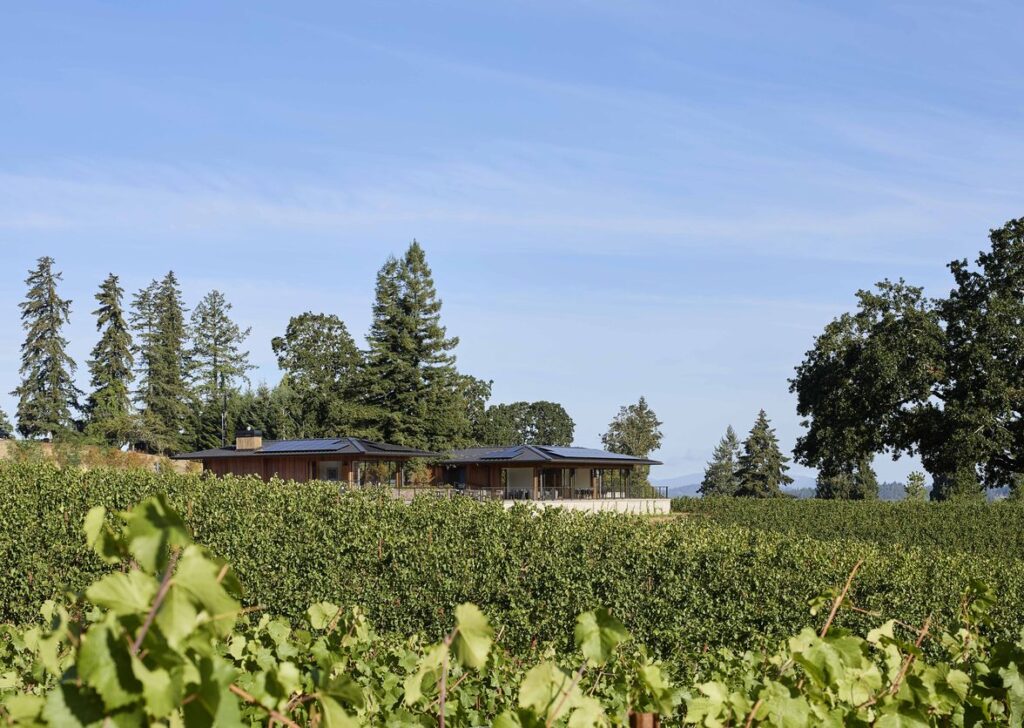
Summer at Ambar kicks off with bubbles as we debut our first-ever sparkling wine, the highly anticipated 2022 Blanc de Blancs.
May Newsletter 2026
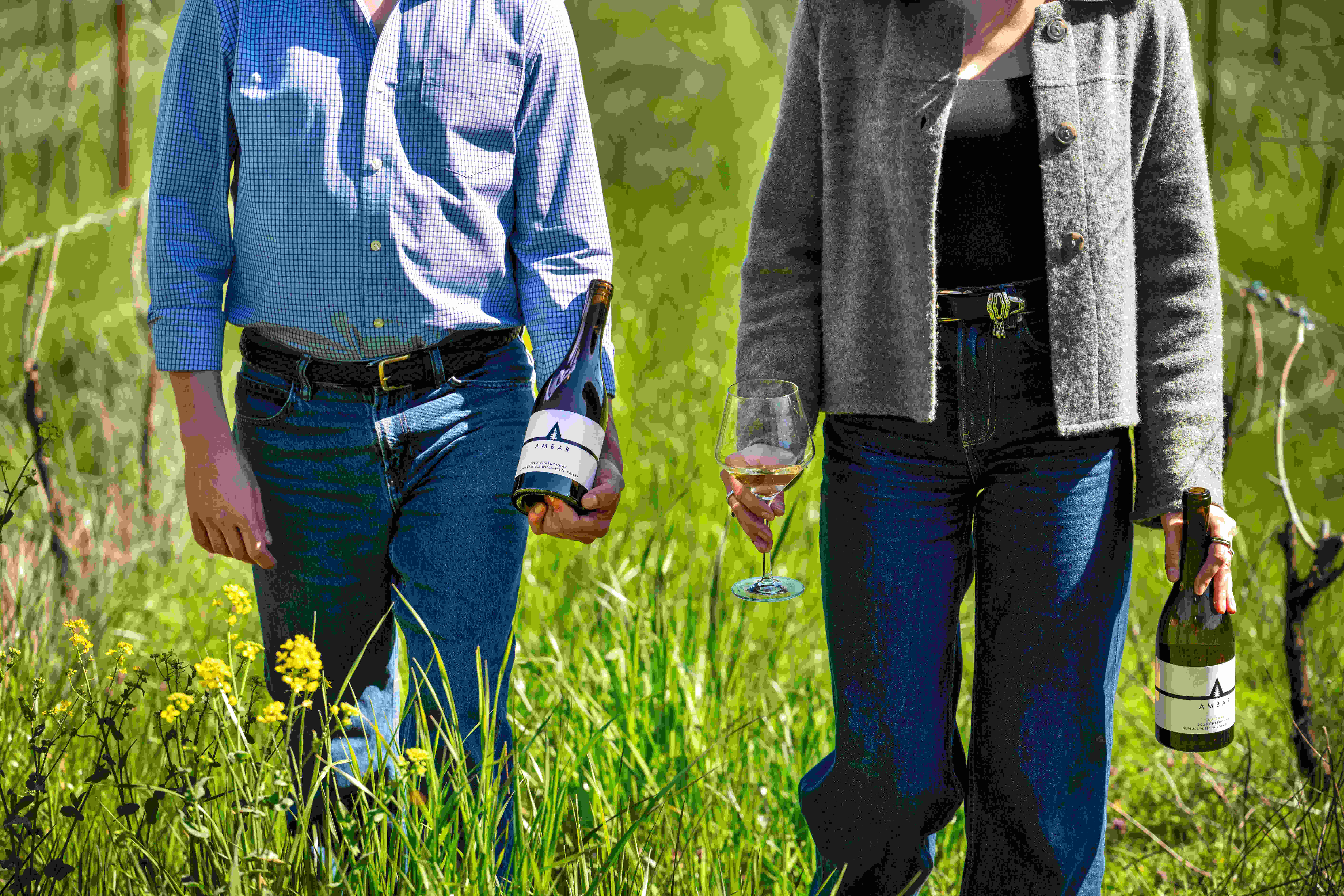
May is Oregon Wine Month – a time to toast the incredible wines, people, and places that make Oregon so special.
Garlic Jam
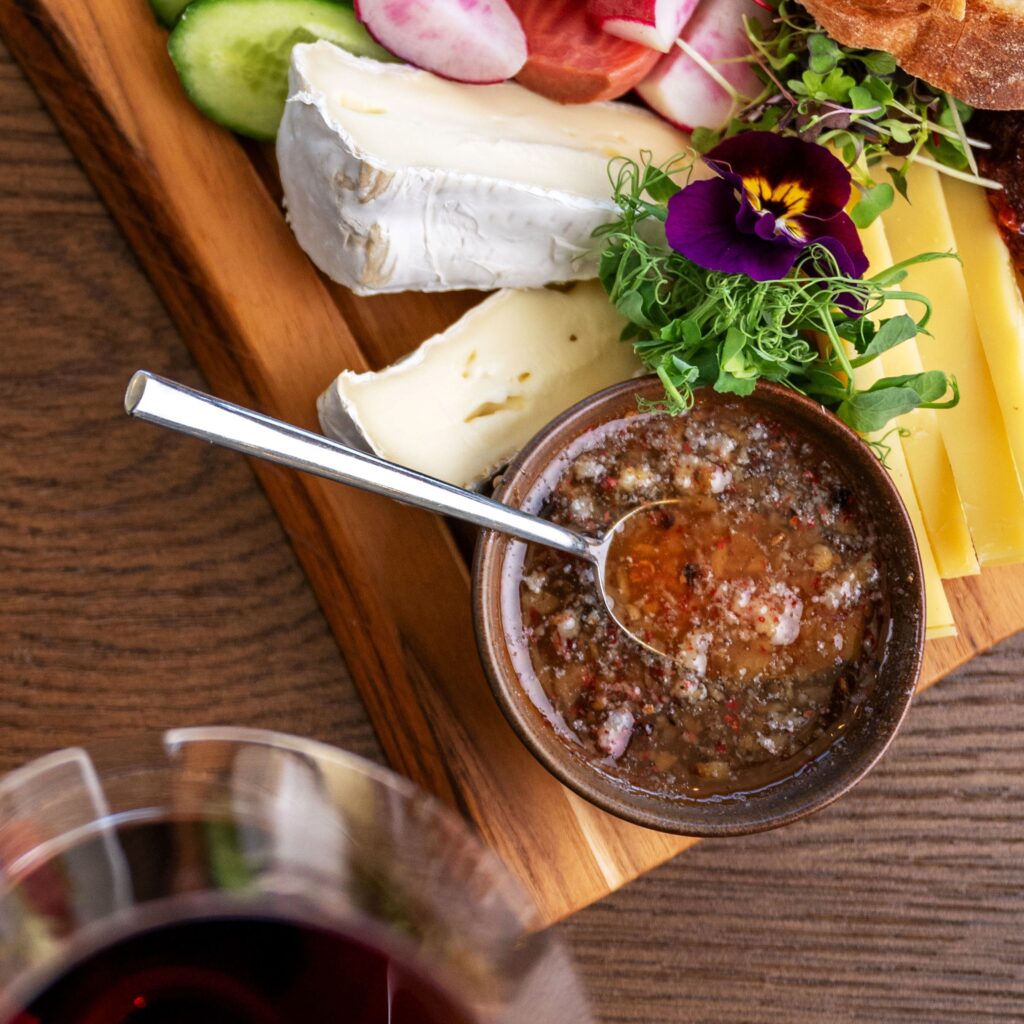
Sweet, savory, and packed with rich roasted garlic flavor, this homemade Garlic Jam is the perfect spread for cheese boards, sandwiches, burgers, and roasted meats.
Carrot Mousse
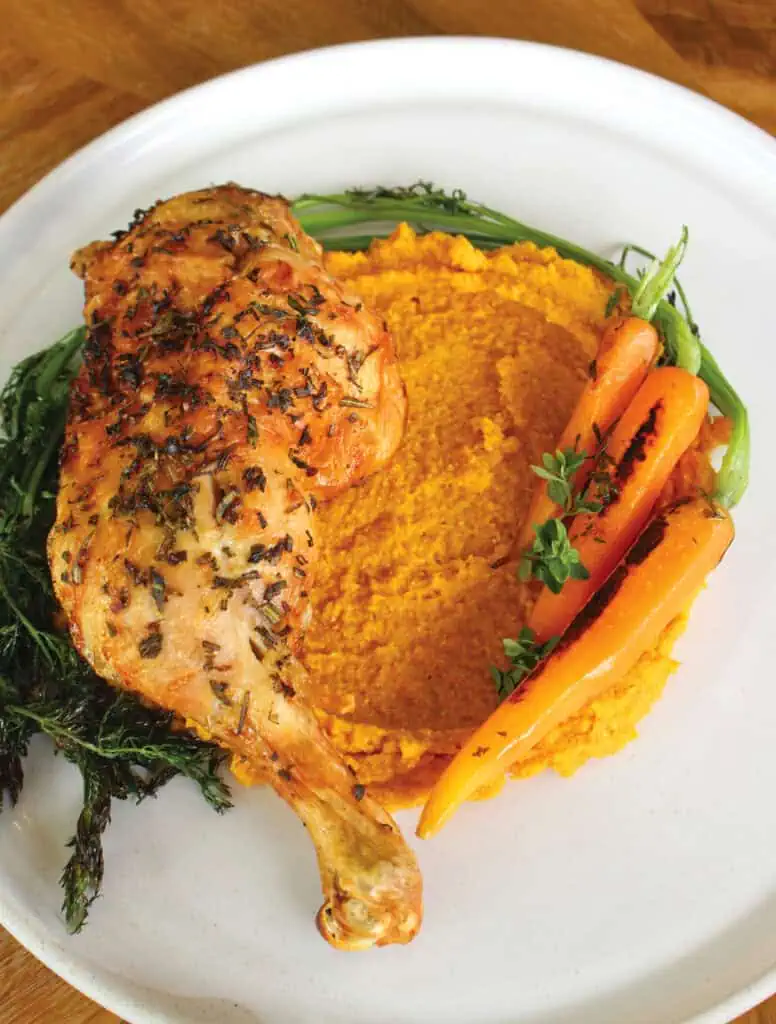
A versatile carrot mousse, for this dish Chef Heidi pairs it with roasted chicken and our 2023 Lustral Chardonnay.

Carrot Cake
Chef Heidi’s carrot cake with cream cheese frosting.
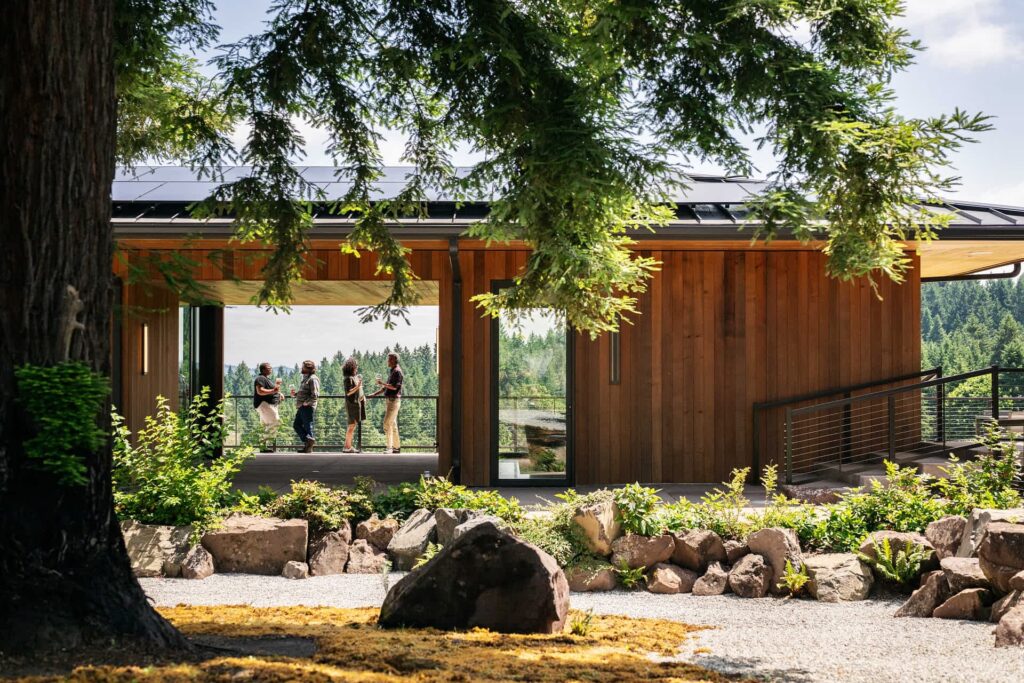
Wine Enthusiast names Oregon, Washington winery restaurants among world’s best
KOIN 06 Portland News celebrates Ambar Estate named one of the world’s best winery restaurants by Wine Enthusiast.
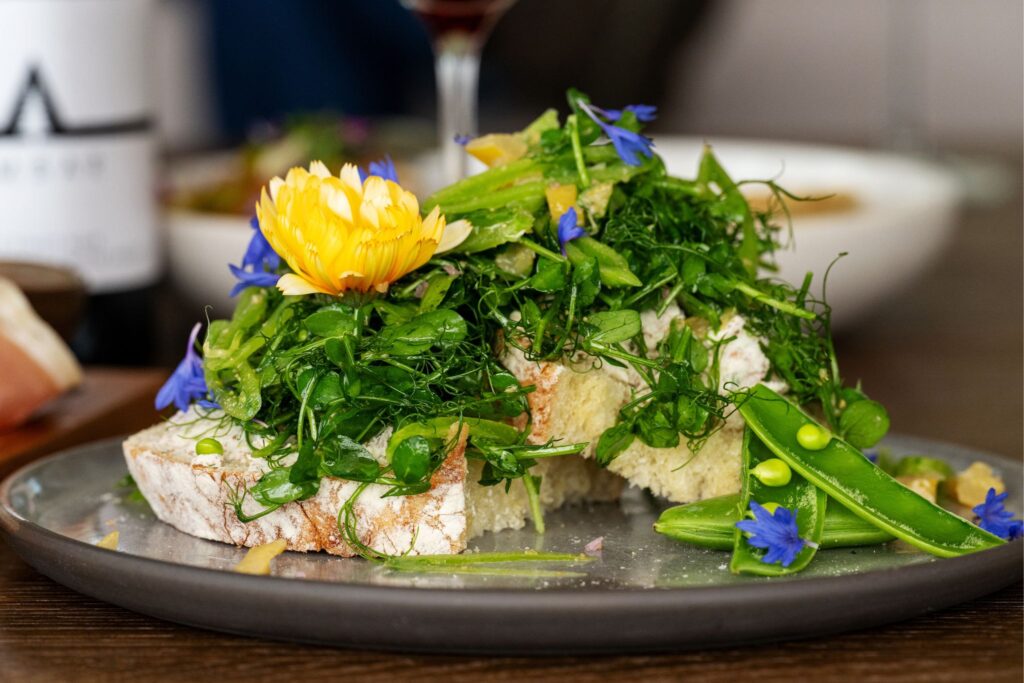
Spring Pea Toast
One of our favorite pairings of the season, this spring toast featuring sheep cheese, fresh peas, and herbs.
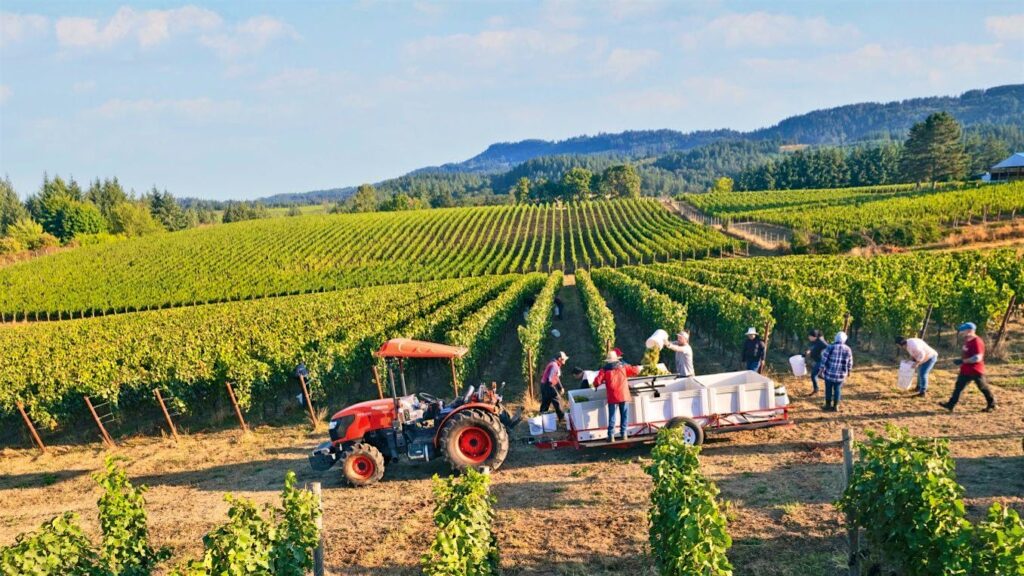
Willamette Windfall
To date, two Oregon wineries have achieved ROC: Troon now has gold status and Ambar Estates has silver. One Washington winery, Estelbrook Farms and Vineyard, located in the Columbia Gorge, also has silver status.
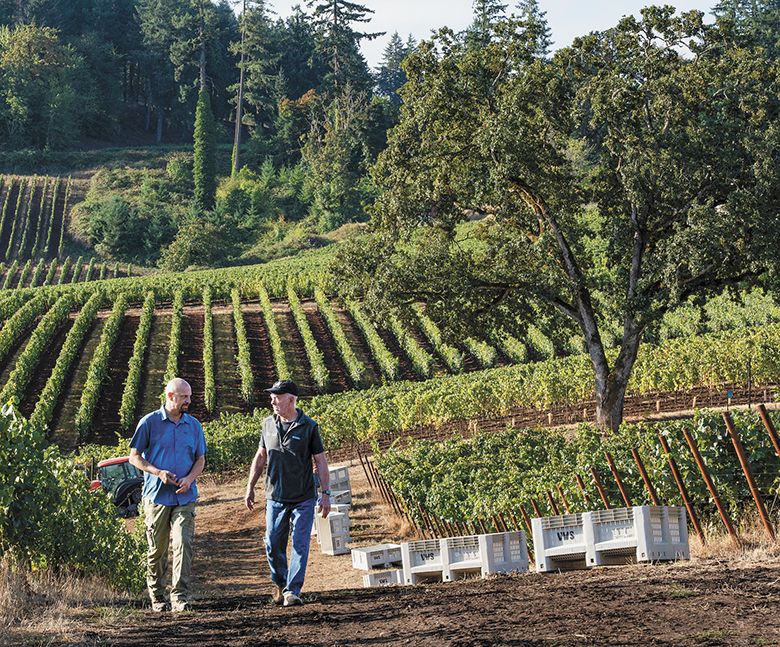
Rooted in Responsibility
To date, two Oregon wineries have achieved ROC: Troon now has gold status and Ambar Estates has silver. One Washington winery, Estelbrook Farms and Vineyard, located in the Columbia Gorge, also has silver status.
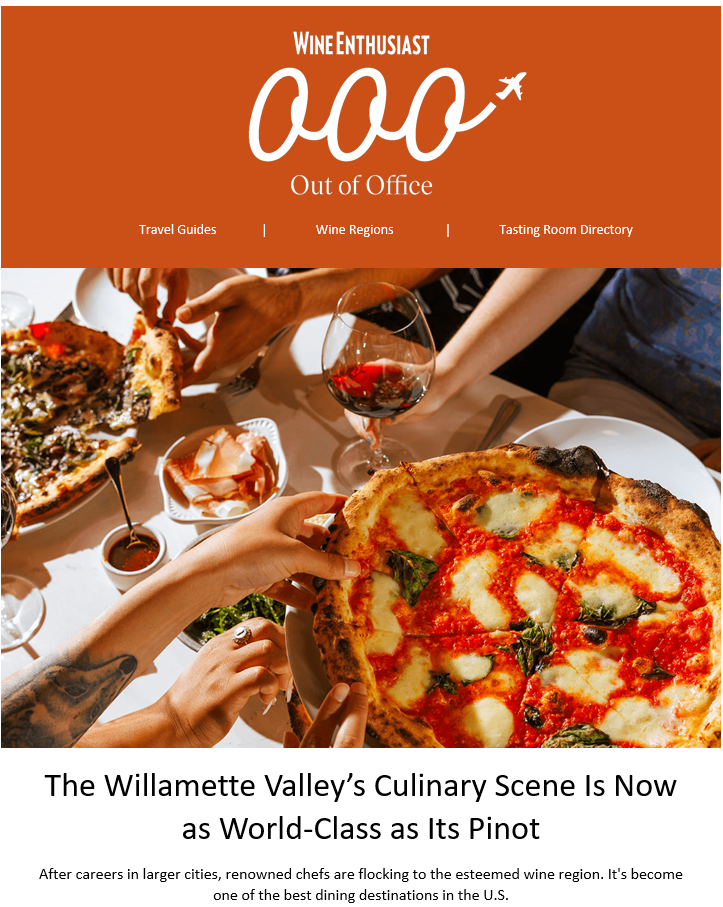
The Willamette Valley’s Culinary Scene Is Now as World-Class as Its Pinot – Wine Enthusiast
With both newer producers gaining buzz and chefs racking up national accolades, it’s undeniable that the Willamette Valley is experiencing a bit of a “moment.” Ambar Estate and Chef Heidi Whitney-Schile recognized for seasonal food pairings.
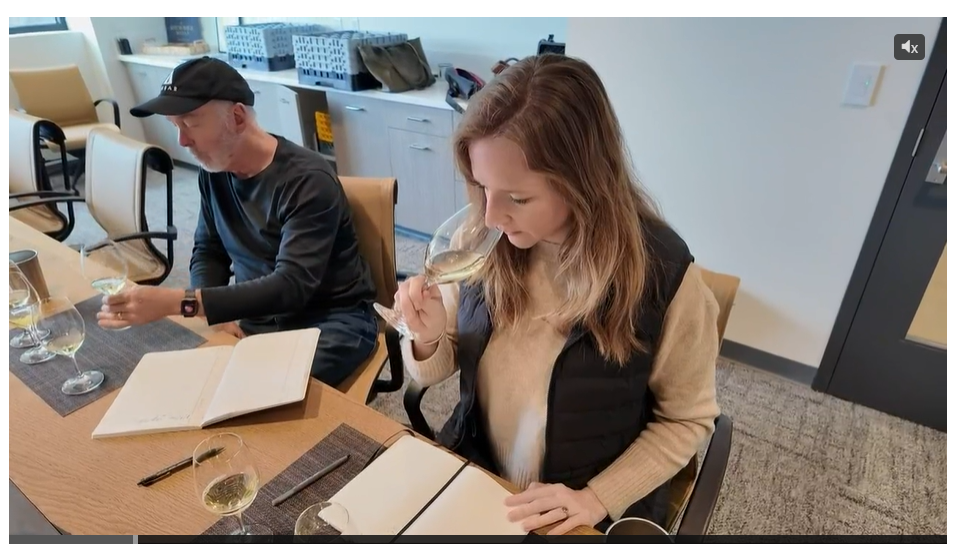
Ambar Estate joins Method Oregon with first sparkling wine – KGW News Feature
Oregon sparkling wine producers unite, signaling a new era for the industry as nonprofit Method Oregon sets strict standards for traditional-method sparkling wines as winemakers push onto the global stage.
March Newsletter 2026
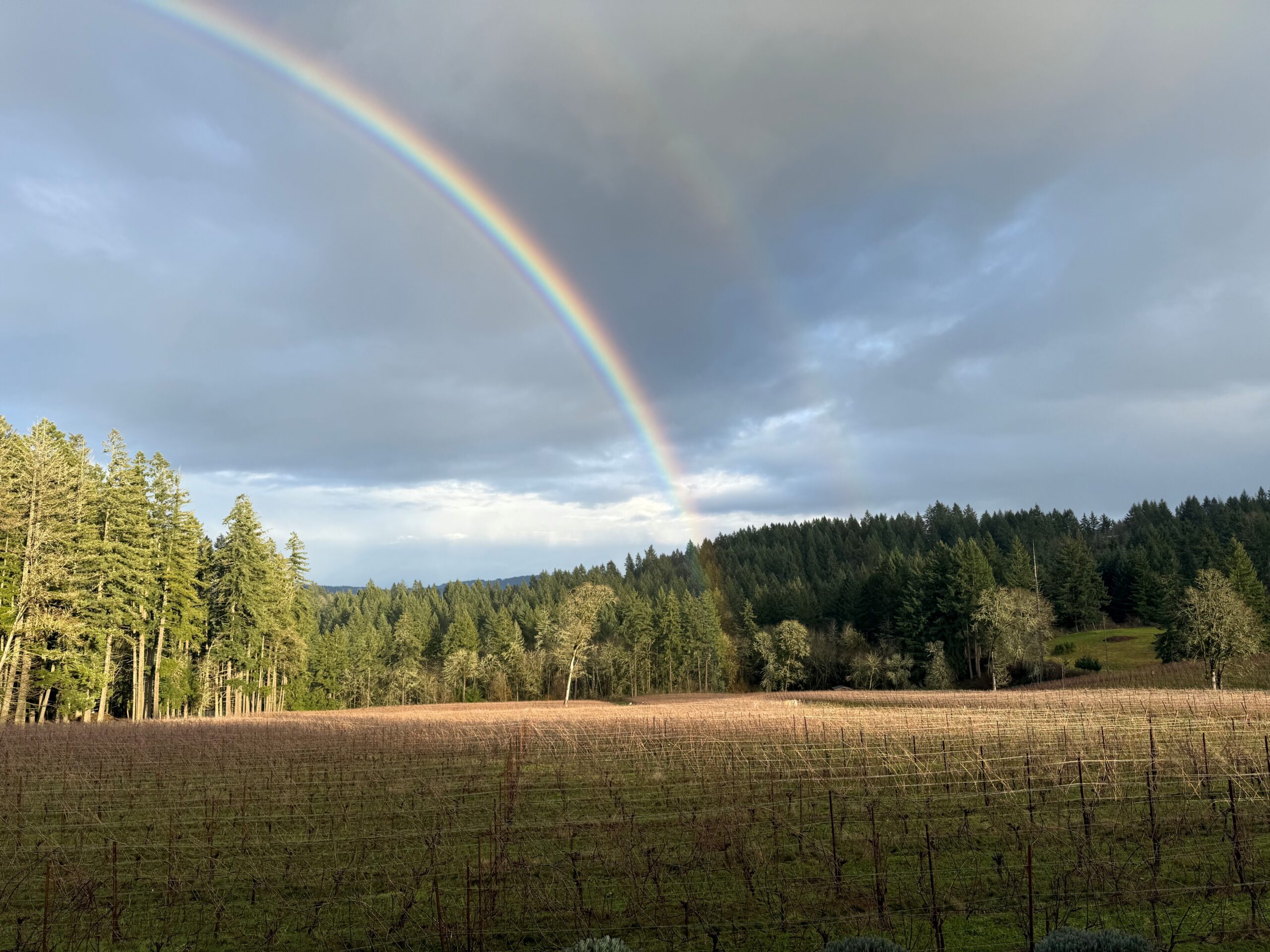
The Oregon winter has many drippy days, but occasionally the sun breaks through in glorious fashion. On a recent afternoon a double rainbow arched over Ambar and came to rest on Writer’s Block and Maple Block, from which we draw fruit for our Minera Chardonnay.
February Newsletter 2026
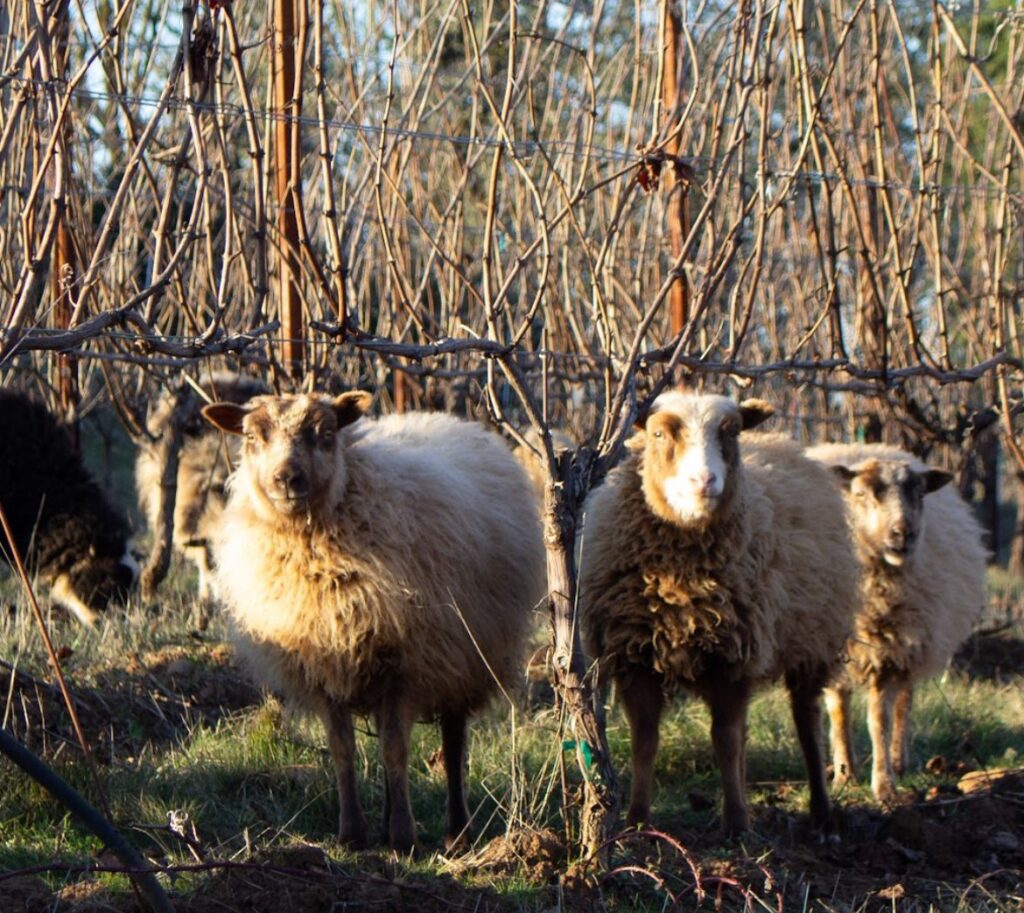
The foundation of a great bottle of wine is high quality fruit. The mutually beneficial relationship between vines, soil, and animals is vital in achieving that.

Heidi Whitney-Schile on Ambar Estate, culinary climbing, and failing forward
Heidi Whitney-Schile didn’t set out to become a brilliant chef, but food and the love of cooking and baking started at a pretty young age and it continued through college (she cooked for her roommates) and she used cooking as therapy when she found herself in a job she didn’t love. When a friend asked if she would bake a wedding cake, Heidi decided right then and there – if the cake was a hit, she would quit her job and go to culinary school. The cake was a hit.
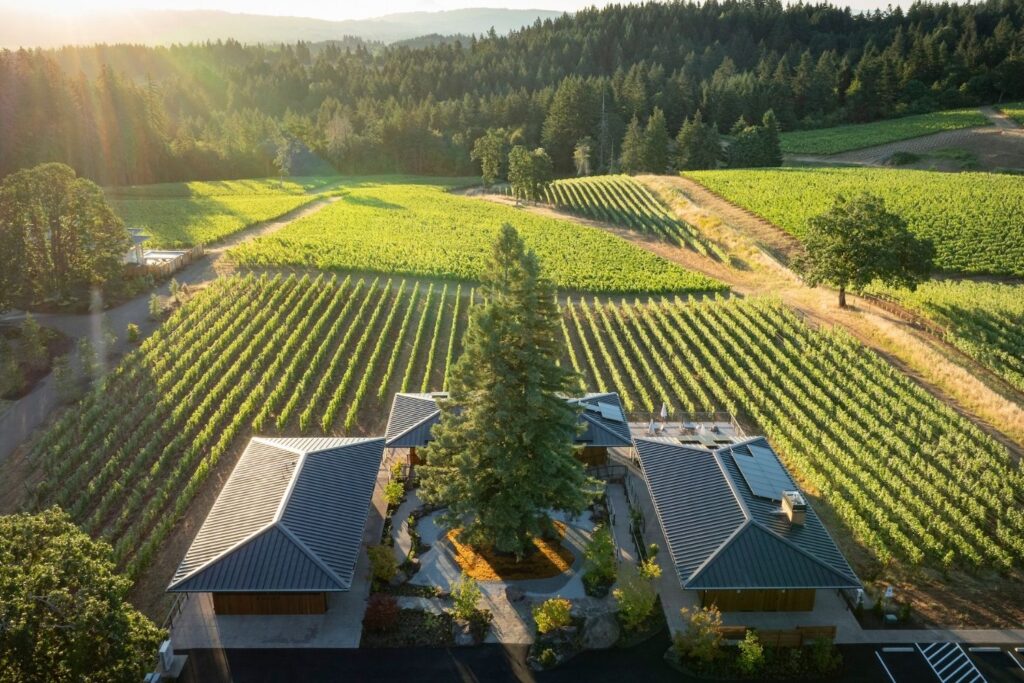
Ambar Estate Is Farming for Tomorrow in Oregon’s Willamette Valley
In the Dundee Hills, a small regenerative estate has built a loyal following of younger drinkers around its values-led ethos.
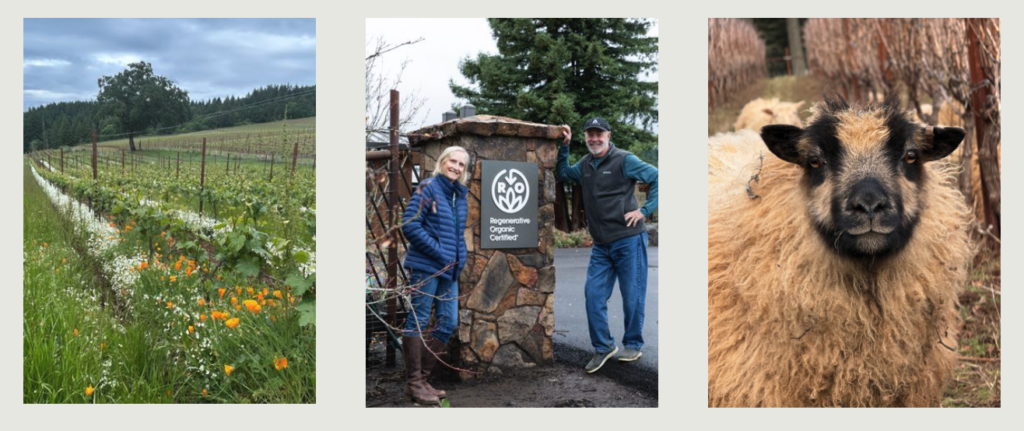
Reflecting on 2025
Ambar Estate is founded upon the belief that great wine is born from a thoughtful collaboration between science and nature. As stewards of our unique Ambar site, we are committed to farming using Regenerative Organic Certification® standards.
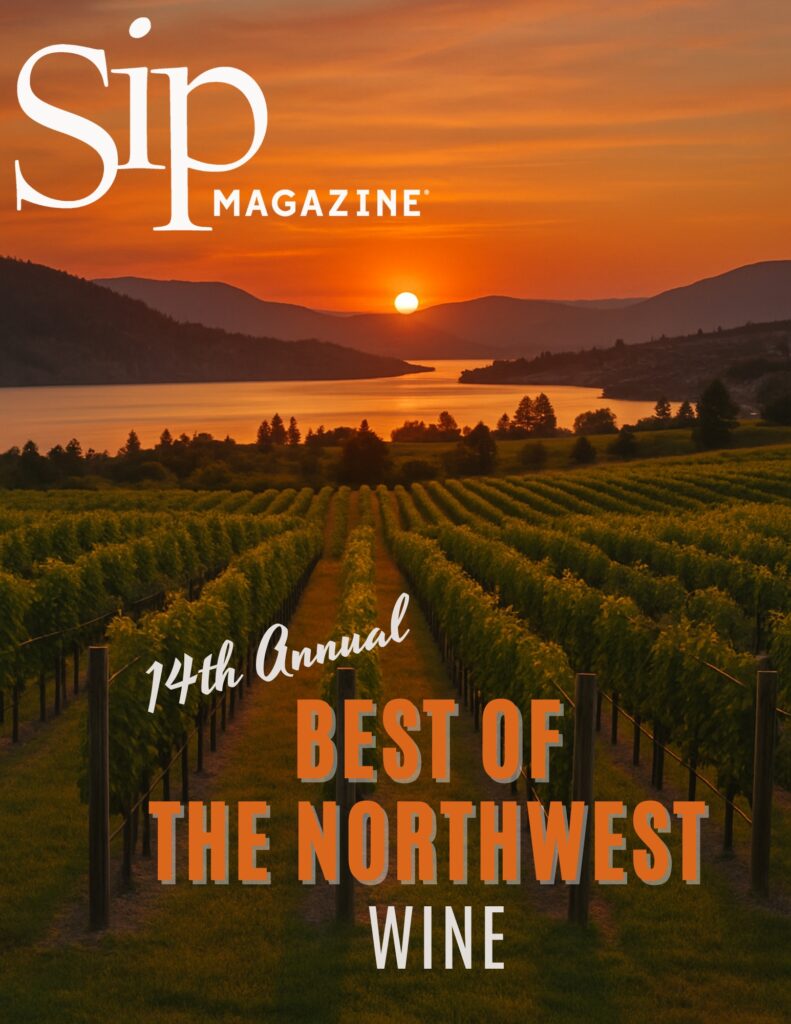
Sip Magazine’s 14th Annual Best of the Northwest Wine Competition
Sip Magazine’s annual roundup and tally of the best wines of the Northwest! Gold medal for 2023 Lustral Chardonnay and Judge’s Pick for 2023 Sacra Terra Pinot Noir.
2022 Lustral Chardonnay ranked #98 of Owen Bargreen’s top 100 of 2025
The 2023 ‘Lustral’ is a barrel selection Chardonnay that was stored in 35% new French oak before bottling. This comes off dense, rich and fat on the mouth with a terrific mouthfeel and gobs of minerality.

2023 Lustral Chardonnay ranked #66 of International Wine Report’s Top 100 Wines of the USA – 2025
Welcome to the annual celebration of excellence in American winemaking.
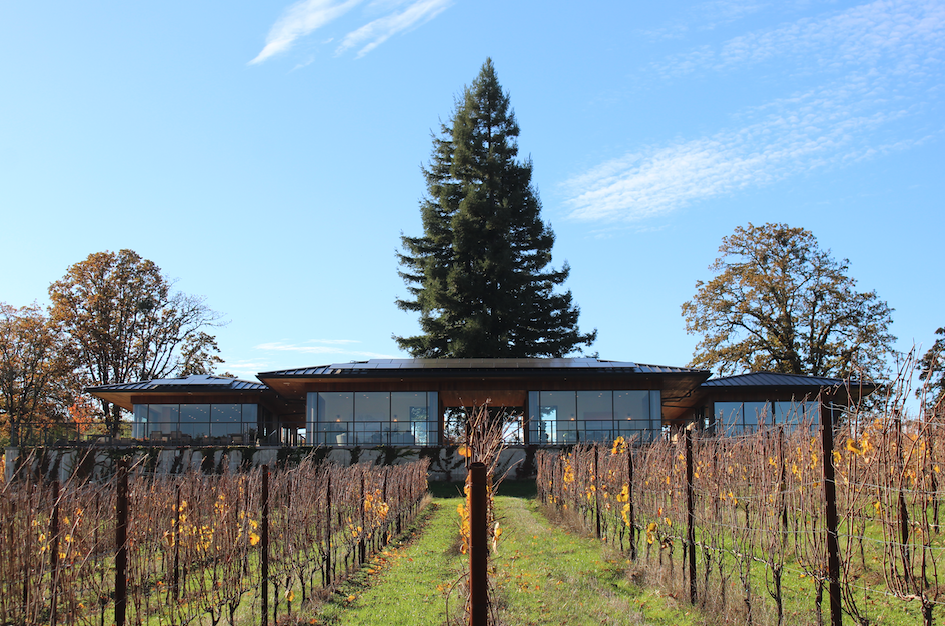
November 2025 Newsletter
As the vines grow quiet and their leaves carpet the ground, we welcome a new season at Ambar Estate.Our tasting room is now pouring the newly released 2023 vintage, including the acclaimed 2023 Lustral Chardonnay, recently awarded 97 points by The International Wine Report.
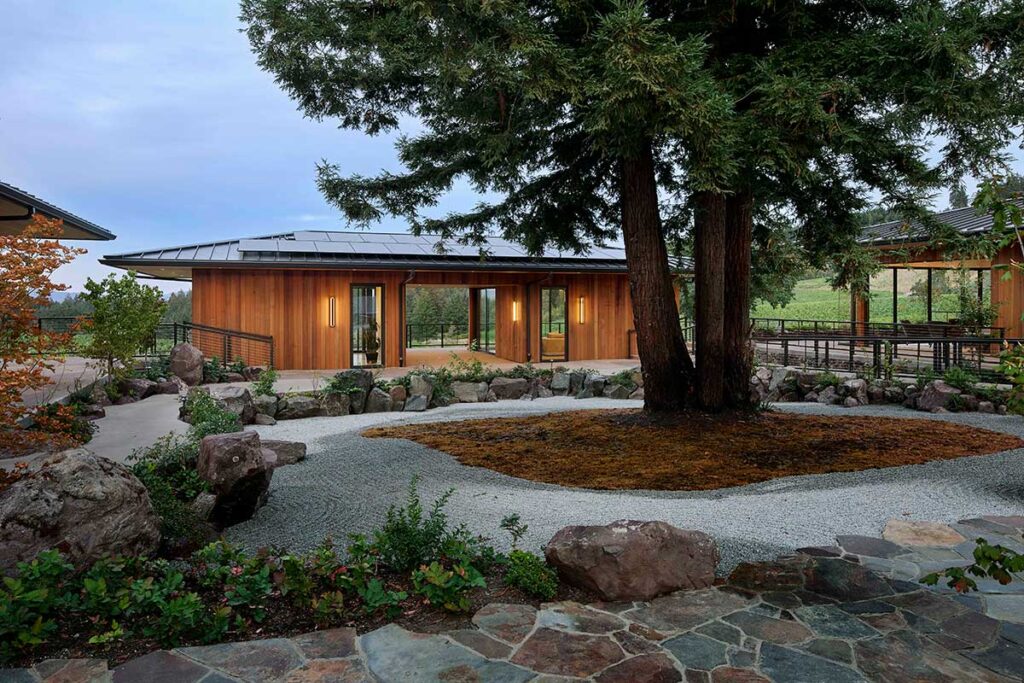
Orange County Register – Oregon’s Willamette Valley
Ambar Estate is named a Best Wine Tasting Ambar Estate was featured in Orange County Register’s recent article on Oregon’s Willamette Valley.
Eater PDX – Best Wine Tastings
Ambar Estate is named a Best Wine Tasting in Eater PDX.
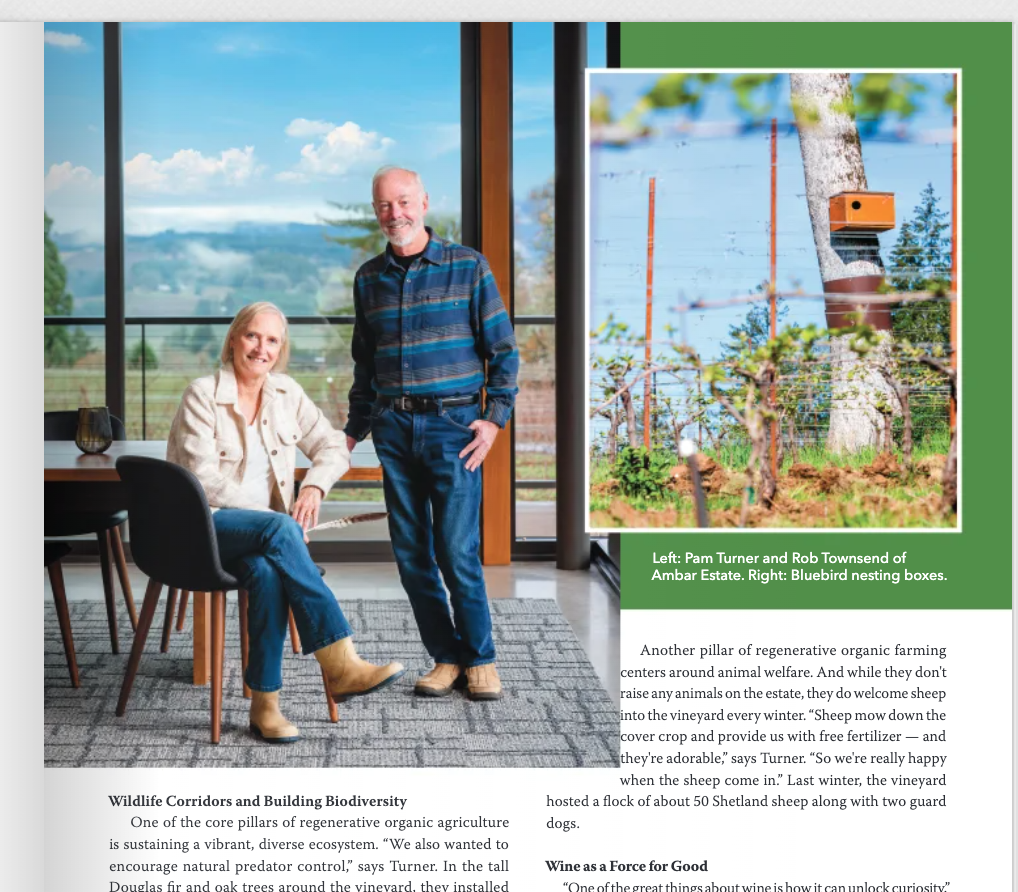
Edible Portland Features Ambar Estate
Ambar Estate is featured in Edible Portland’s summer 2025 issue.
September 2025 Newsletter
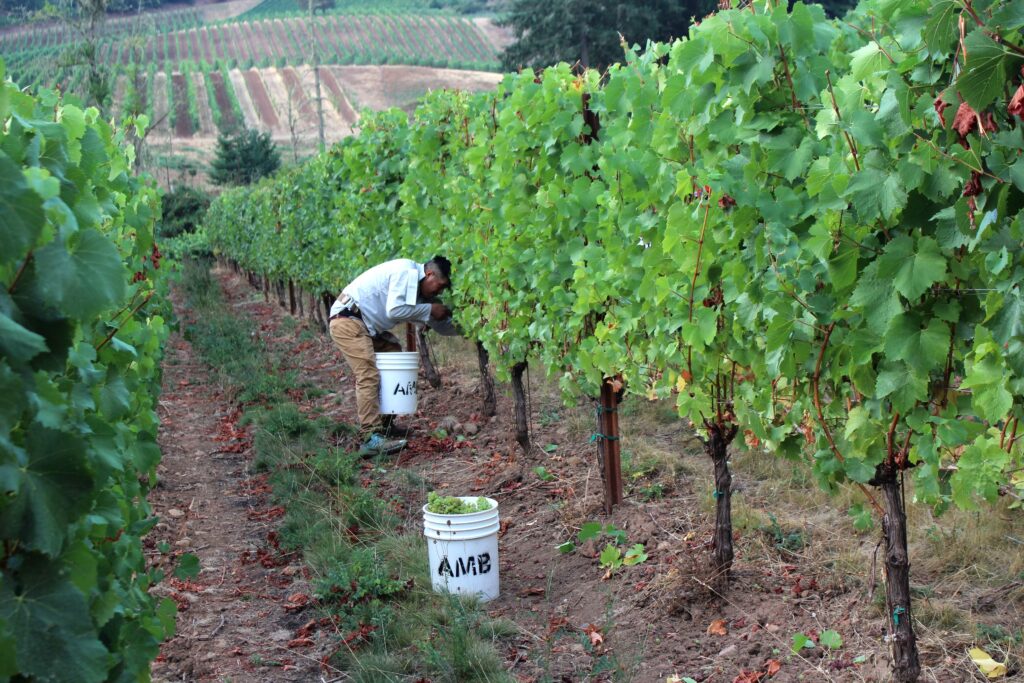
Harvest 2025 has begun at Ambar Estate with Chardonnay, Pinot Noir, and Pinot Meunier fruit that will become our Méthode Champenoise (traditional method) sparkling wines. Winemaker Bryan Weil offers a glimpse into this exciting beginning.
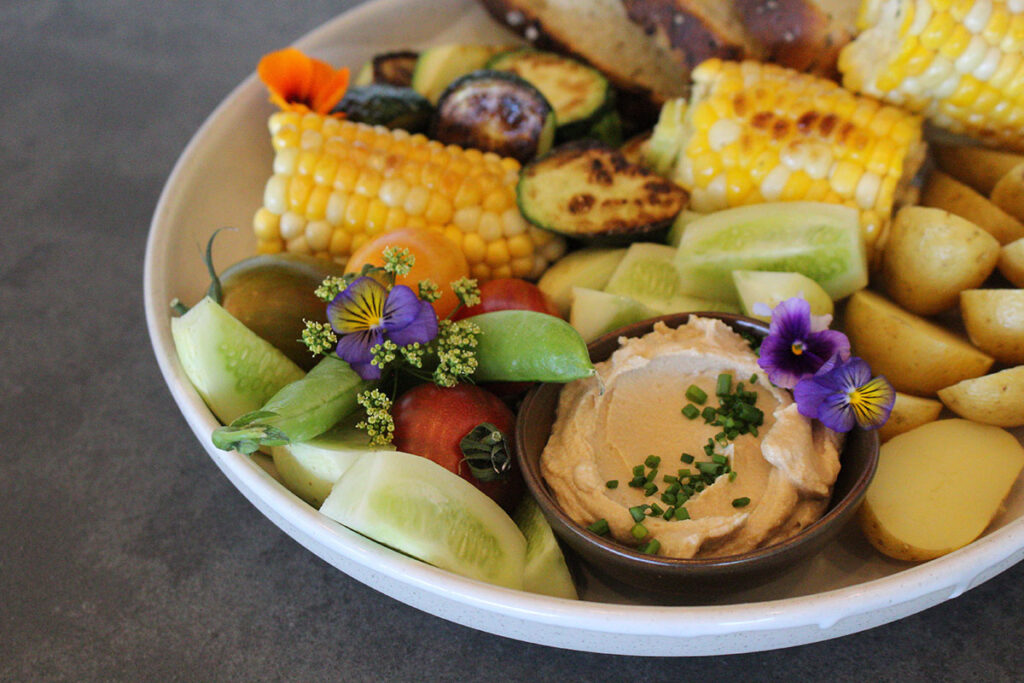
Miso Tahini Dip
Highlighting the bounty of the season.
August 2025 Newsletter
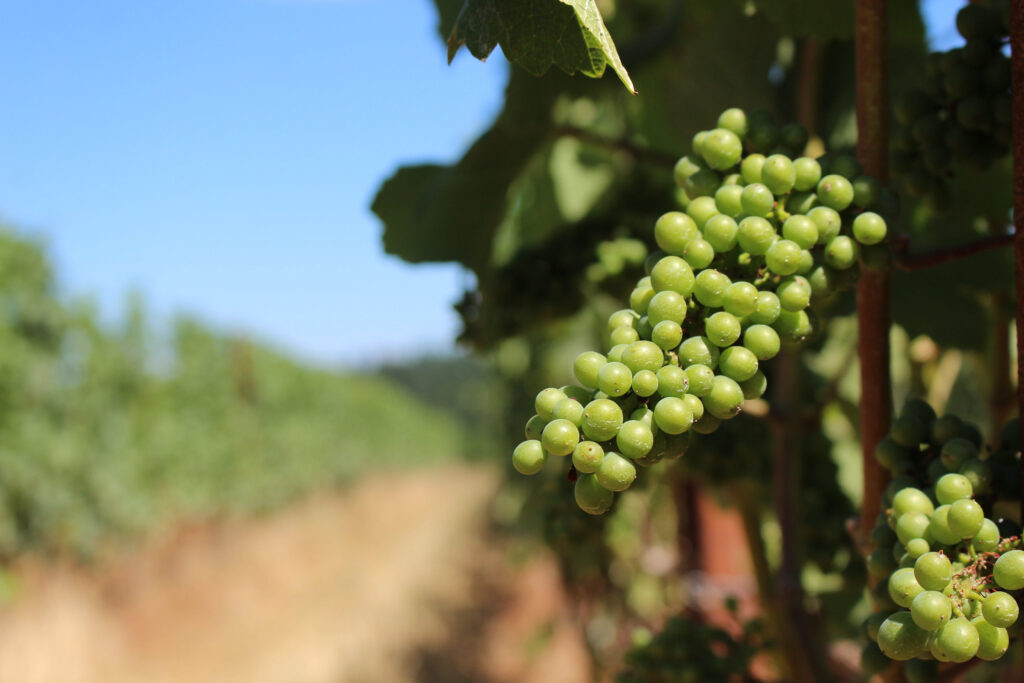
Planting meadowfoam is one of the many ways we work with nature to achieve our Regenerative Organic® farming goals.Our vines are full, and each new cluster carries the early promise of what is soon to come. Winemaker Bryan Weil offers a glimpse into what he and the team are seeing in the vineyard, and what he anticipates from the 2025 vintage.
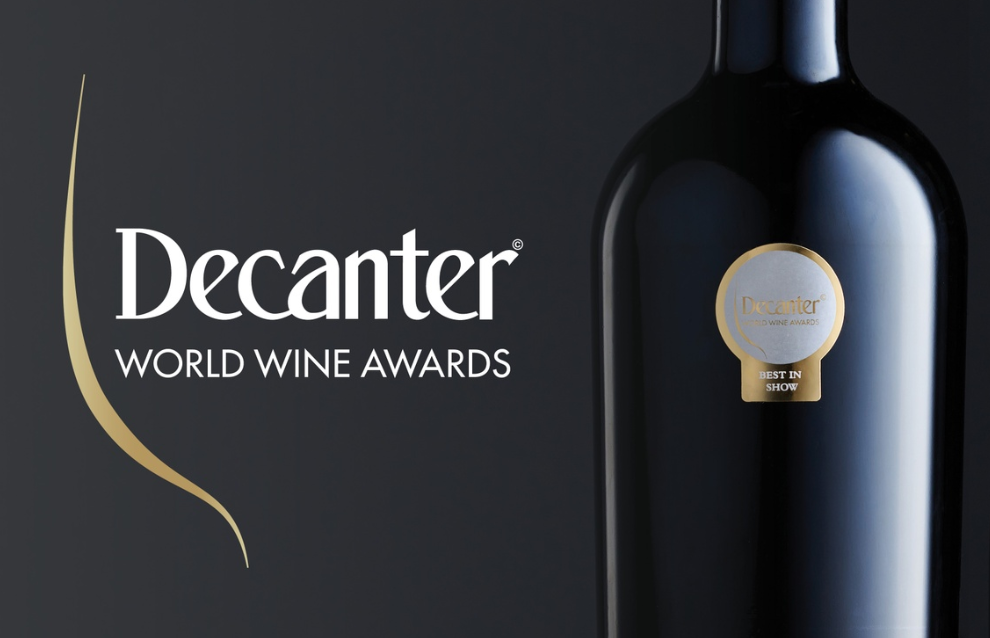
Gold Medal – Decanter World Wine Awards
“Arresting custard apple, ripe pear and peach fruit is endorsed by a dusting of creamy hazelnut oak, with a smooth acidity and luxuriously lasting length.”
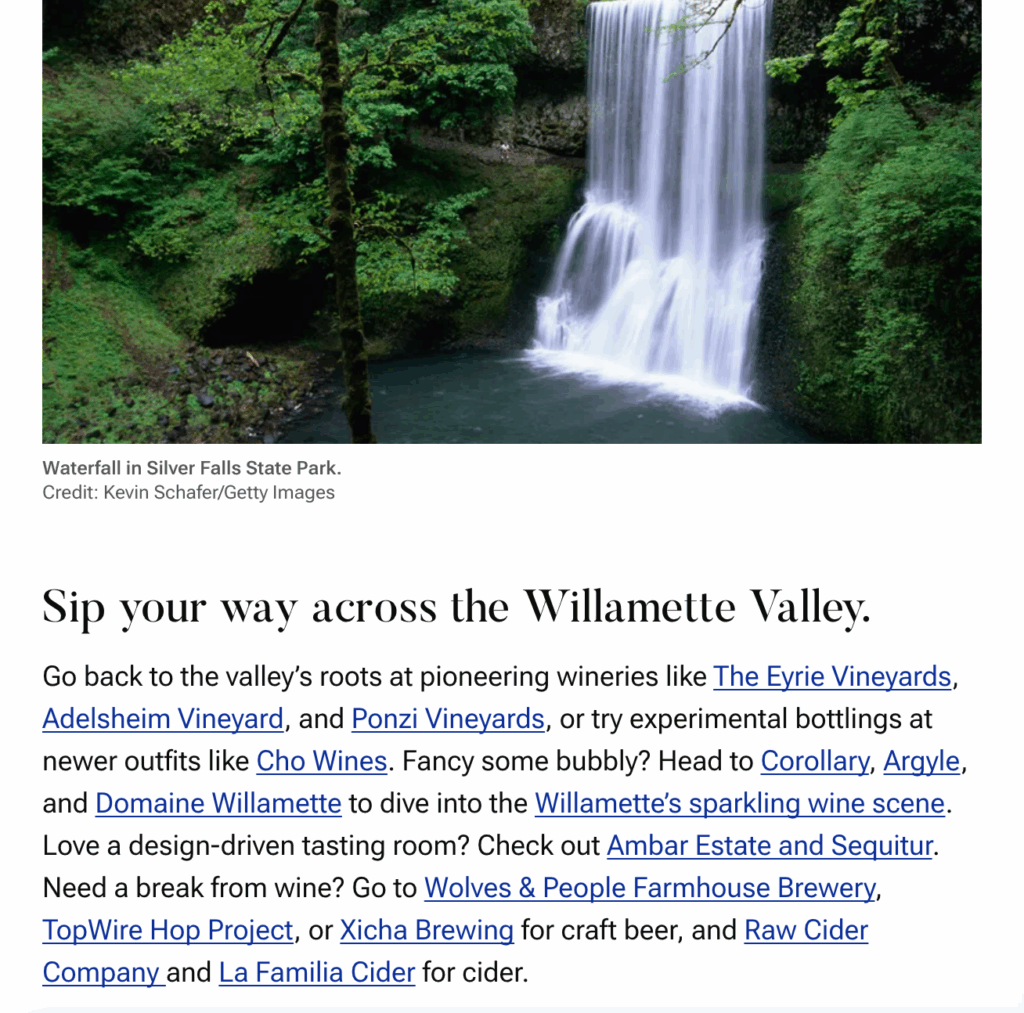
This May Be the Most Underrated Wine Region on the West Coast – Travel + Leisure
Ambar Estate is mentioned in Travel + Leisure’s article featuring the best of the best from the Willamette Valley.
July 2025 Newsletter
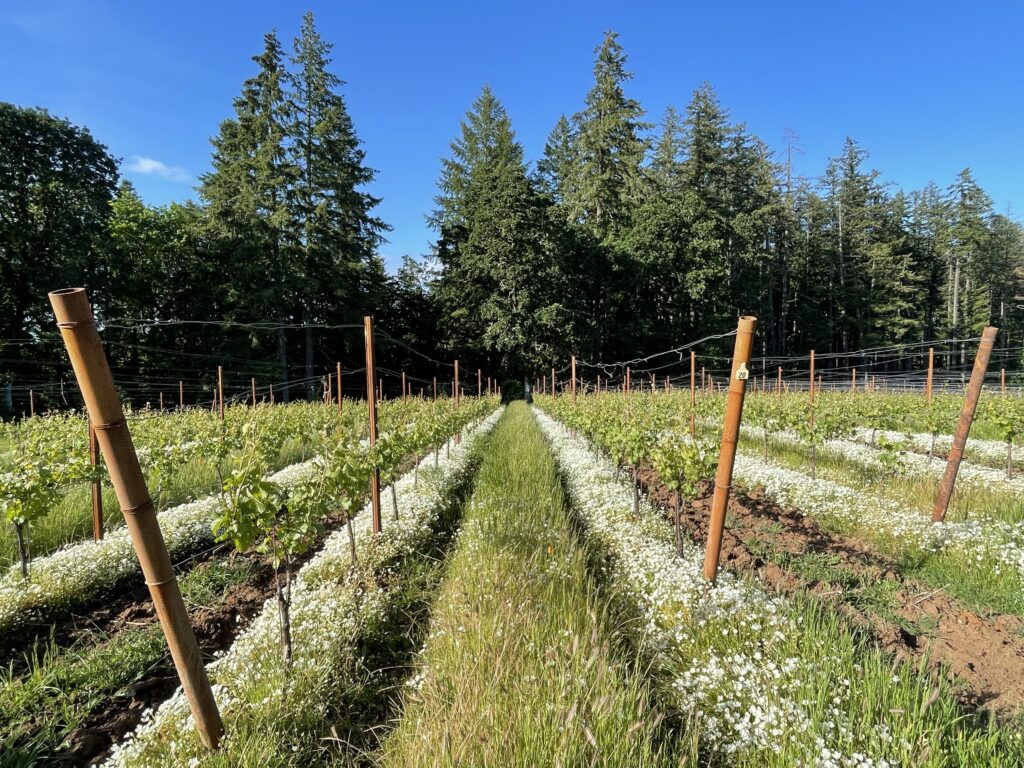
Planting meadowfoam is one of the many ways we work with nature to achieve our Regenerative Organic® farming goals.
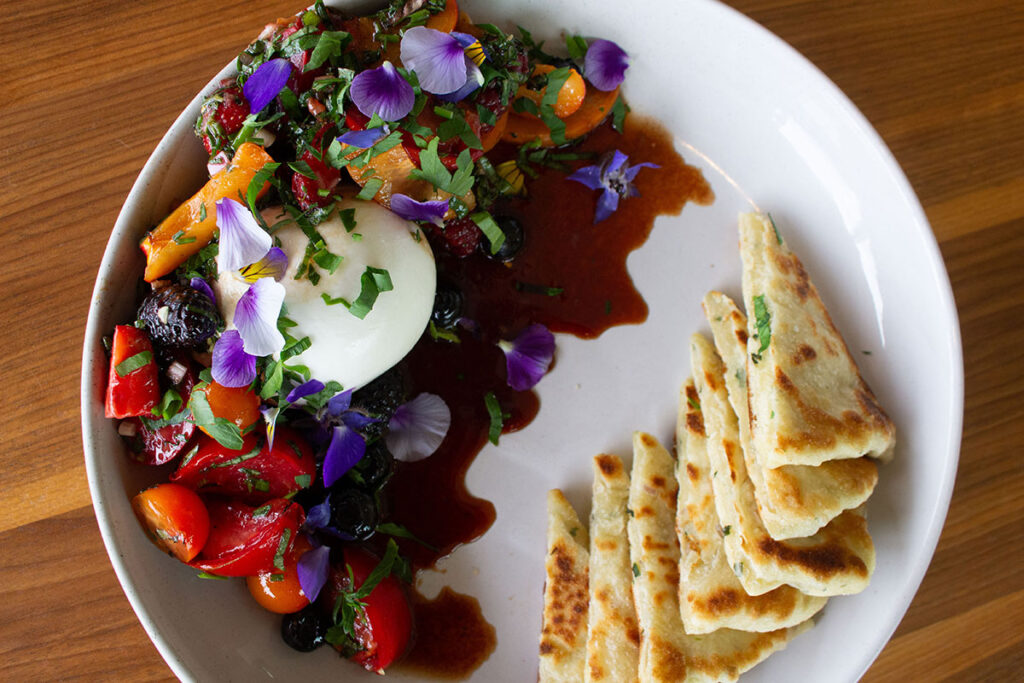
Summer Berry Burrata
A summer celebration of flavors and freshness.
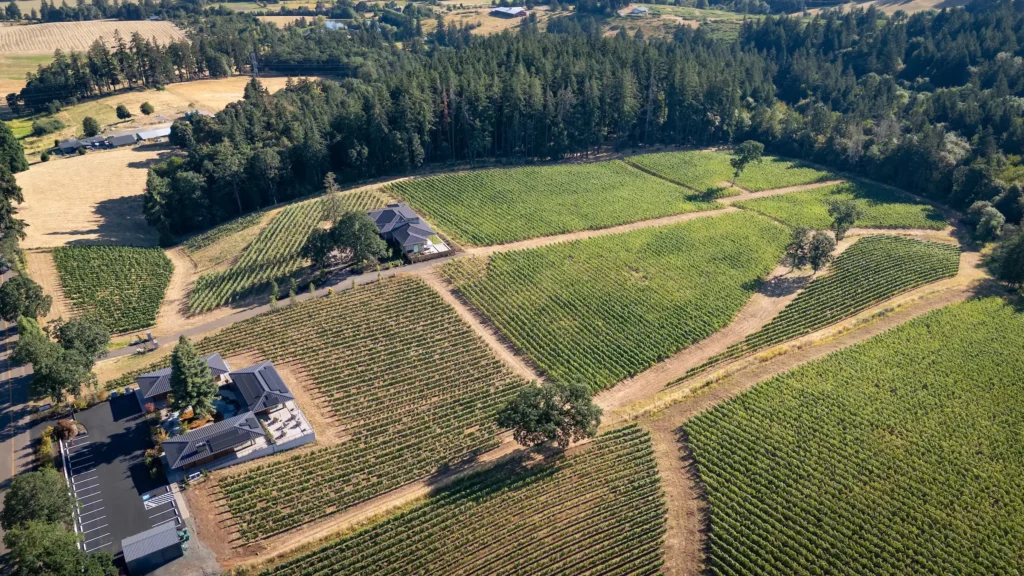
5 Wine Regions Vying to Become the Next Napa – Wine Enthusiast
Or splurge on the chef-curated pairing experience at Oregon’s first regenerative and organic-certified vineyard, Ambar Estate.
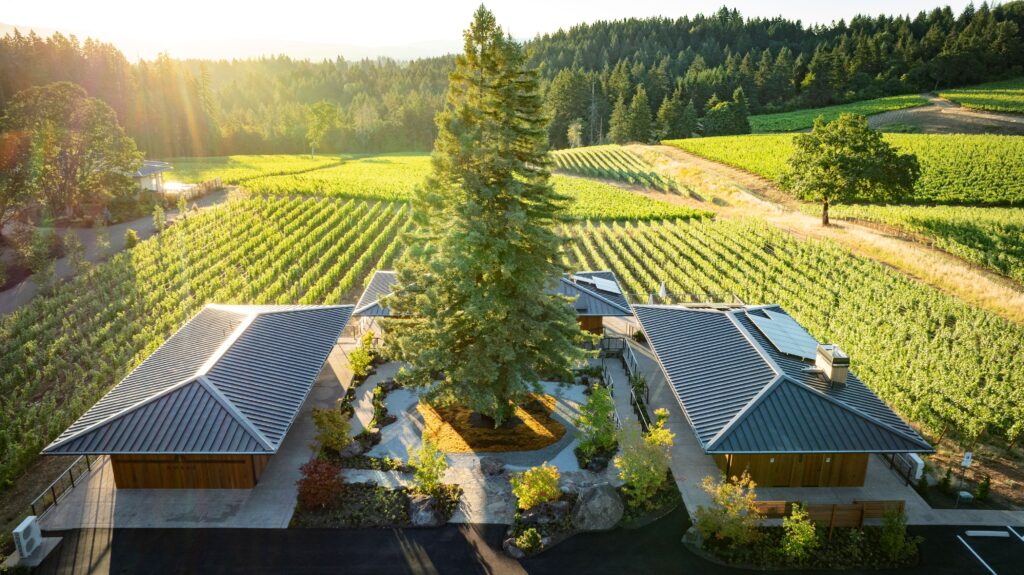
June 2025 Newsletter
One Year of Ambar. Read the update from Pam and Rob on Ambar’s first annivesary.
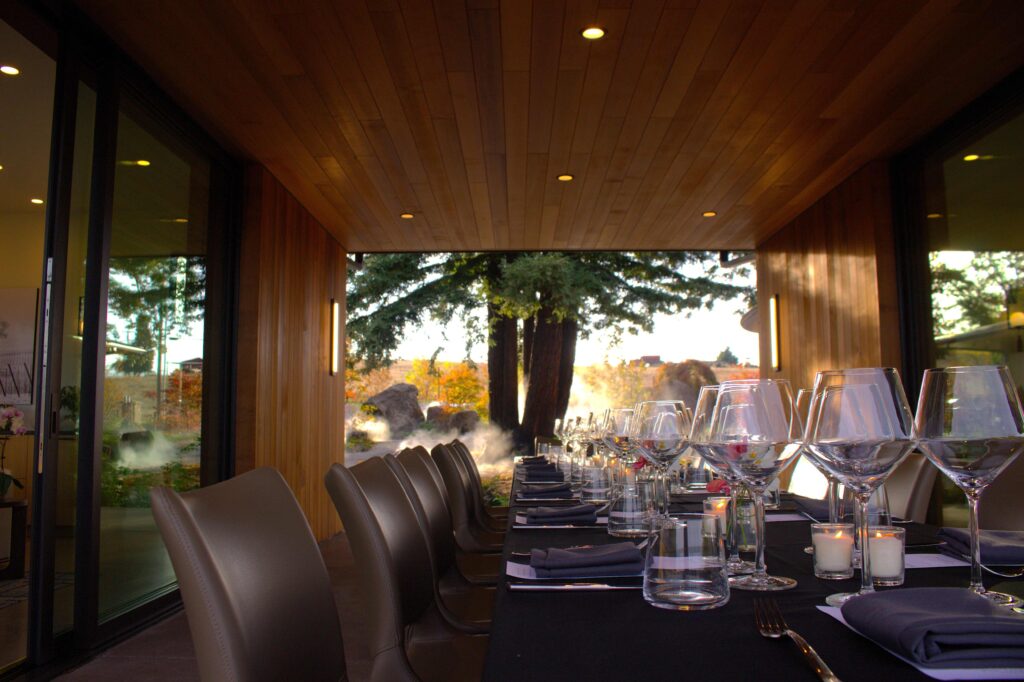
Smart Luxury Features Ambar
“From using lighter bottles to wastewater treatment to electric trucks and forklifts, the regenerative ethos is embedded into every element of the winery.”

The A-List – Sip Magazine
The “A list” moniker is often associated to top-shelf celebrities, influencers and thought leaders, and the following wineries and wines fit that bill — get ready to shop through the “A List” of Willamette Valley.
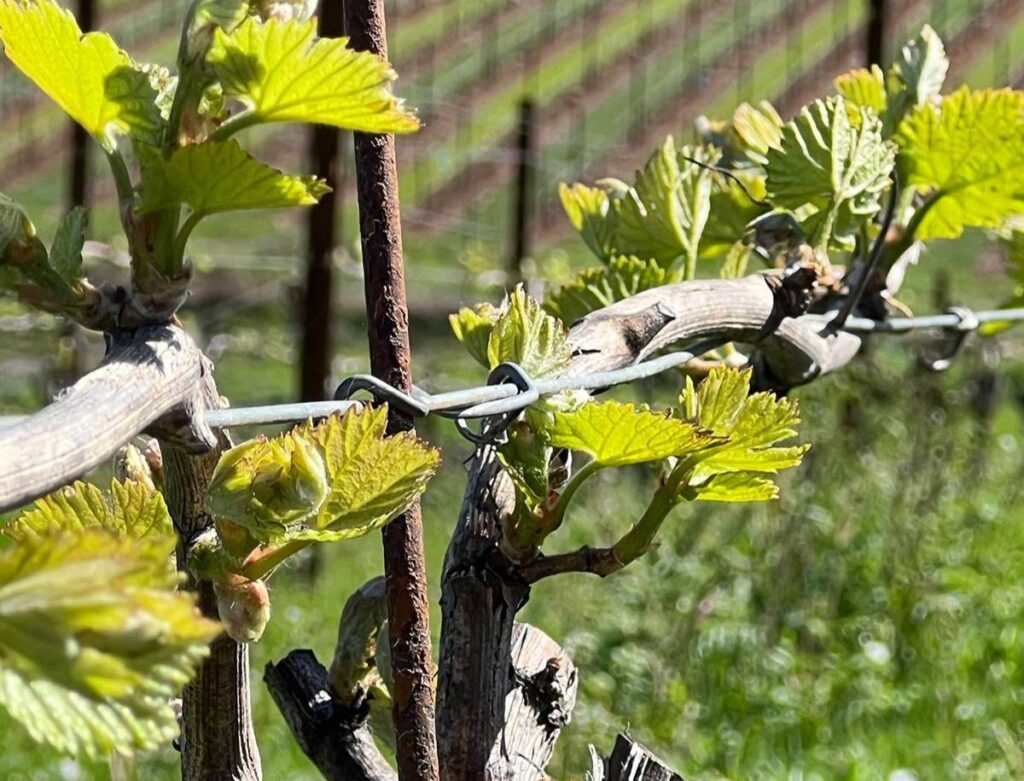
May 2025 Newsletter
Get an update on our growing season thus far, including Bud Break, from Bryan Weil, winemaker.
Decanter’s Top 50 US Wines of 2024
Ambar Estate 2022 Lustral Chardonnay recognized as No. 29
April 2025 Newsletter
Feel good about your wine. Our certifications explained.
Beneficial Business
Regenerative practices highlighted in OWP cover story.
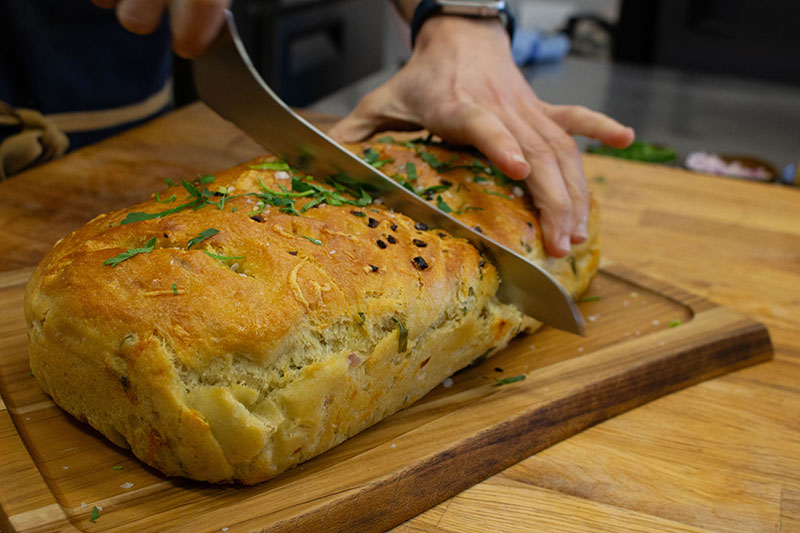
Herb Sourdough Focaccia
Inspired by our estate herb garden, this fragrant and spongy focaccia is a wine club favorite.
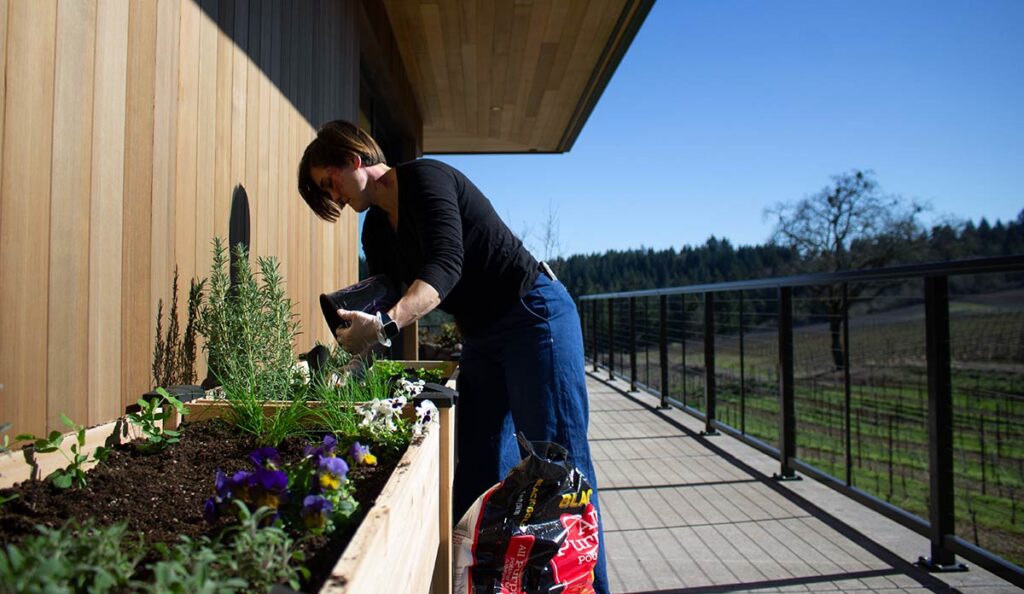
March 2025 Newsletter
Our new herb garden, planted with edible delights, will soon find their way into Chef Heidi’s extraordinary culinary creations.
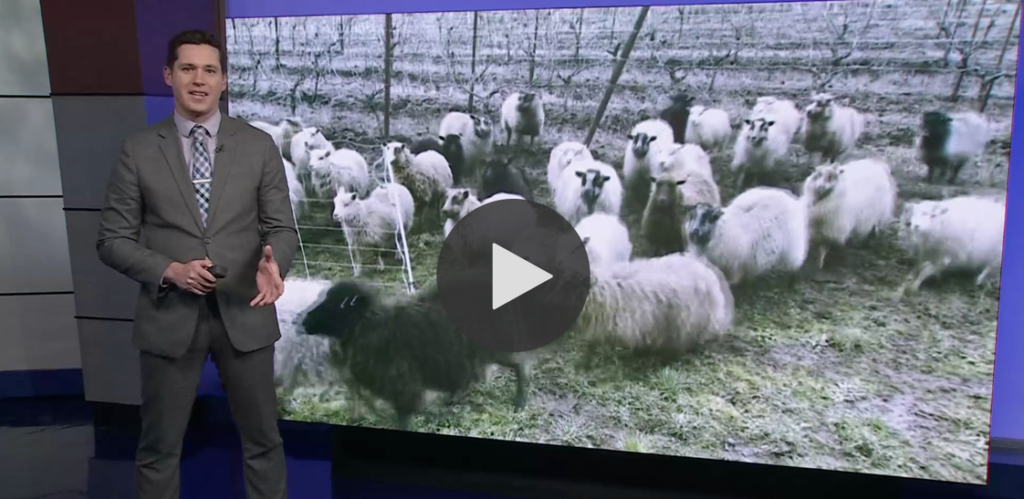
From grape to glass: Oregon winery’s eco-friendly approach uses sheep
Ambar Estate becomes Willamette Valley’s first regenerative organic certified vineyard, utilizing Shetland sheep for sustainable cultivation and soil health.
February 2025 Newsletter
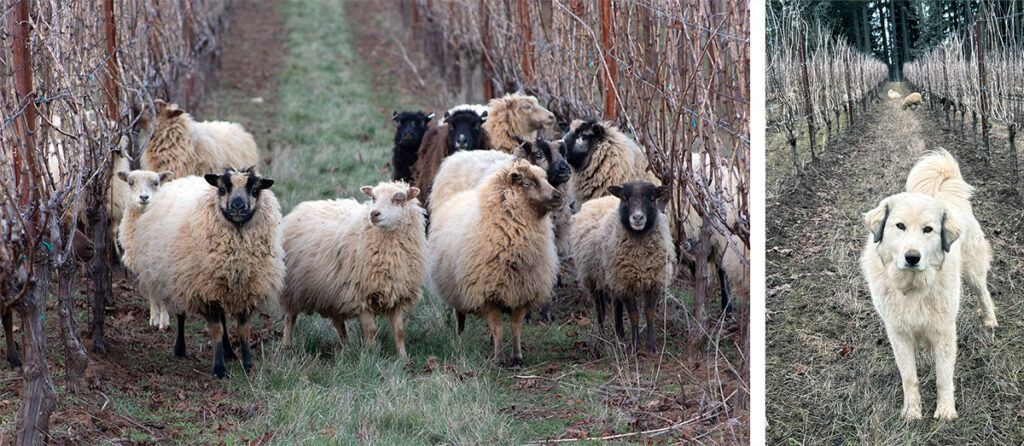
Shetland Sheep arrive at Ambar Estate. How do they fit into our Regenerative Organic Certification®?
January 2025 Newsletter
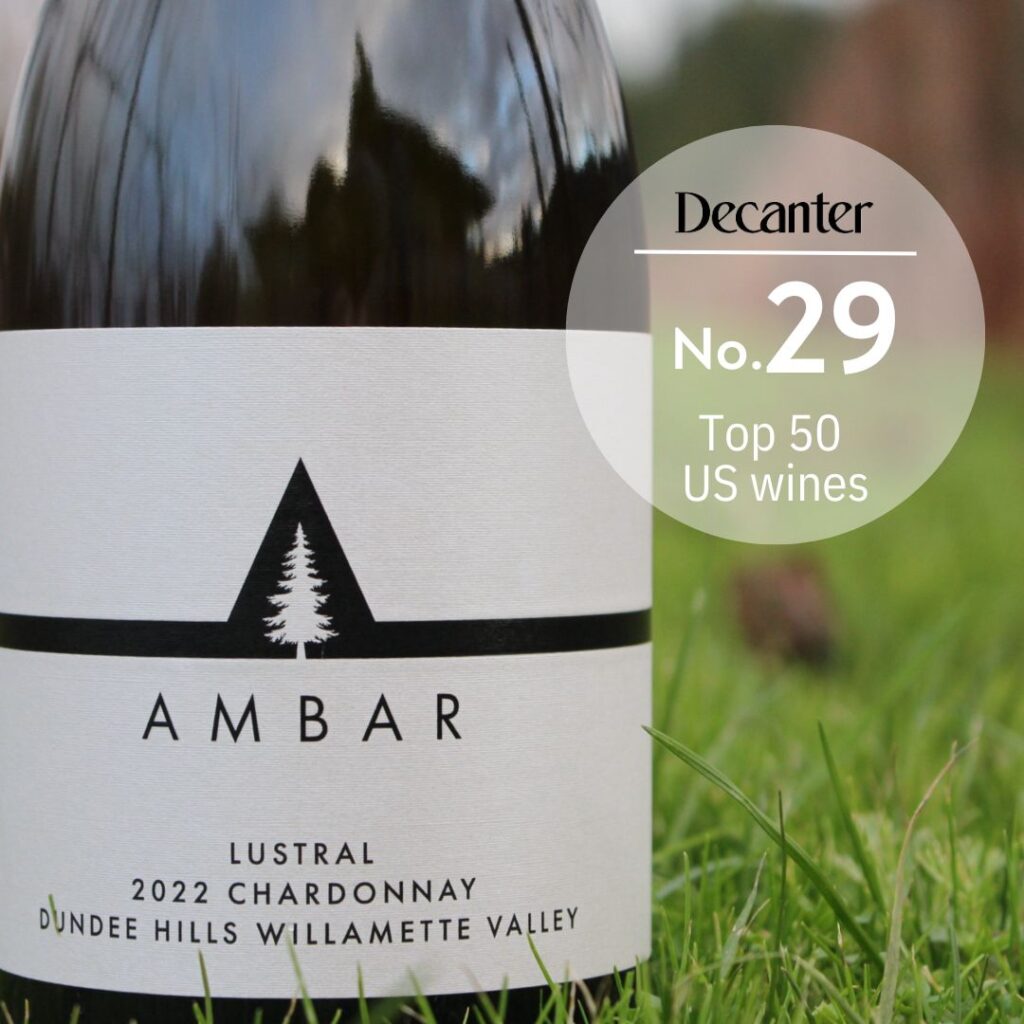
Ambar Estate’s 2022 Lustral Chardonnay is named a Top 50 wine by Decanter.
December 2024 Newsletter
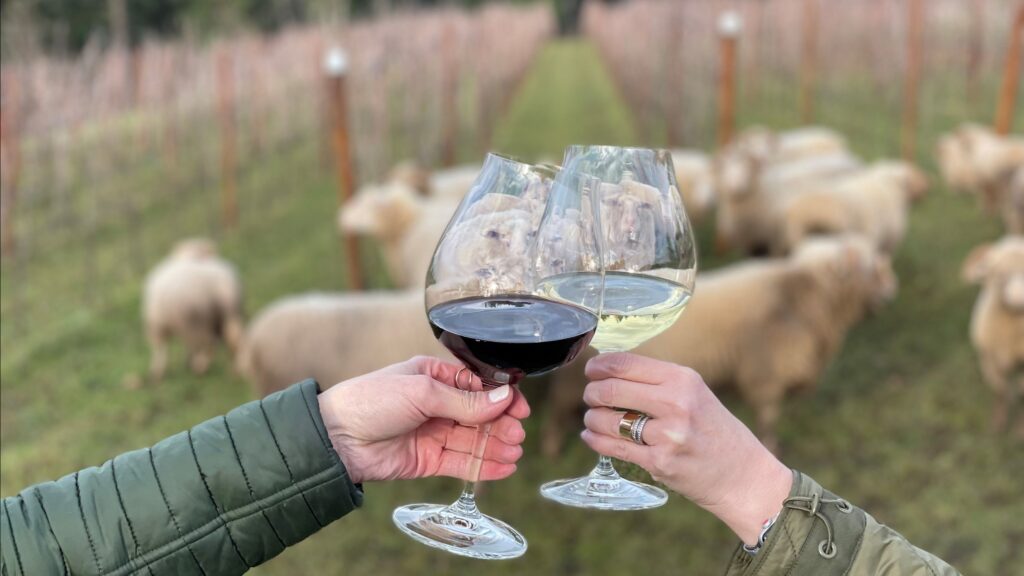
Farm like the world depends on it. A look at regenerative farming.
Herb Flatbread
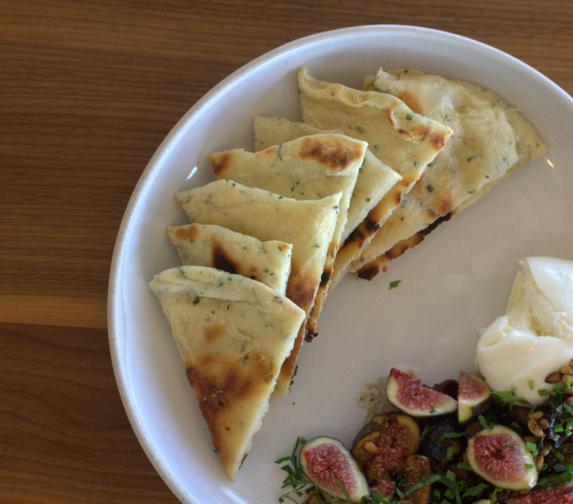
I have always enjoyed a traditional style naan that is fluffy and made to order.
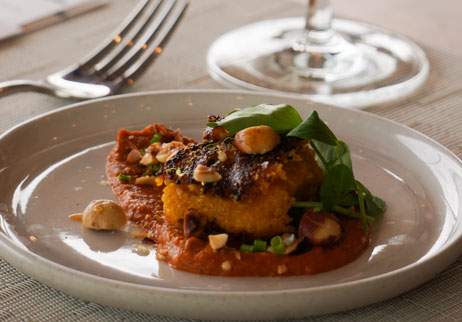
Roasted Carrot Polenta and Hazelnut Romesco
Heirloom tomatoes, carrots, and hazelnuts are all quintessential Oregon produce that hits its peak in September, making for beautiful flavors leading into fall.
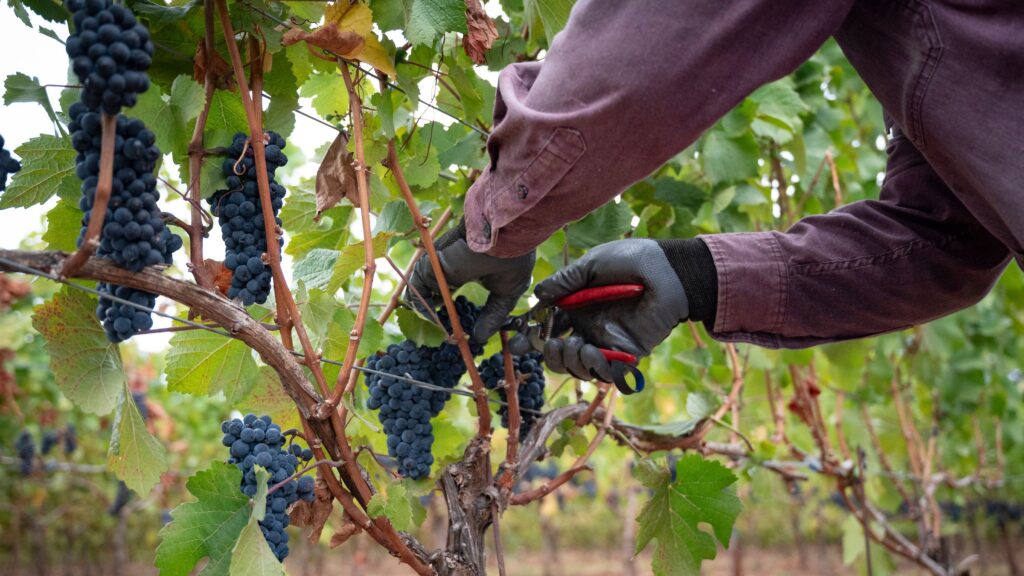
October 2024 Newsletter
An exceptional 2024 harvest.
Oregon’s Willamette Valley 2022: Chardonnay Report and 20 Wines to Try
The Chardonnays from the 2022 vintage in the Willamette Valley were perhaps the underdog story of the year given the effects of a late spring frost.
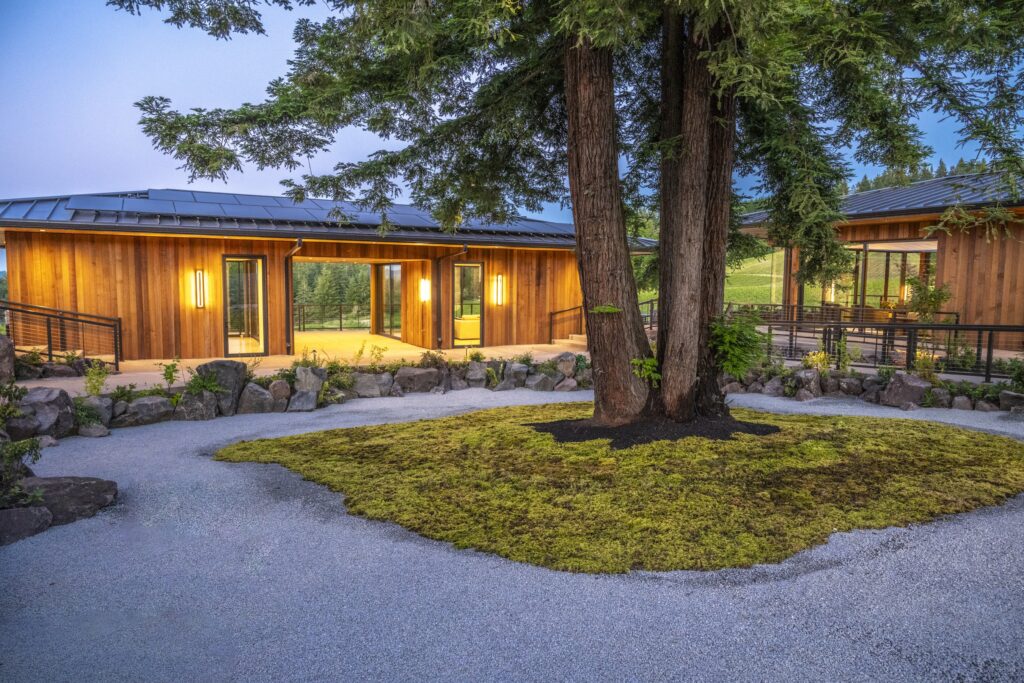
These Willamette Valley Wineries Have Redefined the Tasting Room
This newcomer sits in the shade of a towering redwood tree, overlooking the first regenerative organic certified vineyard in the Willamette Valley.
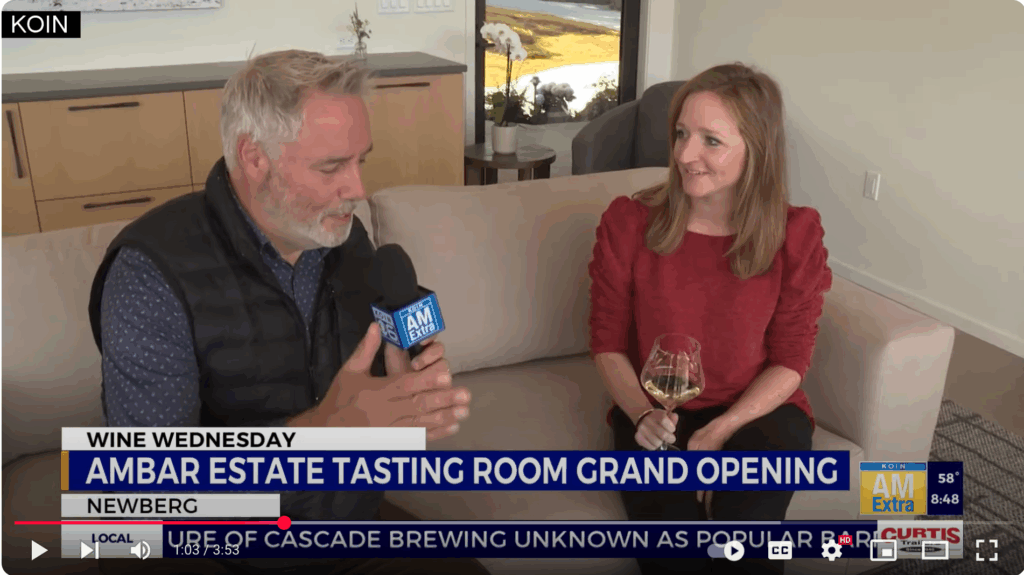
Wine Wednesday: Ambar Estate Opening New Tasting Room
Ambar Estate’s new tasting room is featured on KOIN’s “Wine Wednesday”.
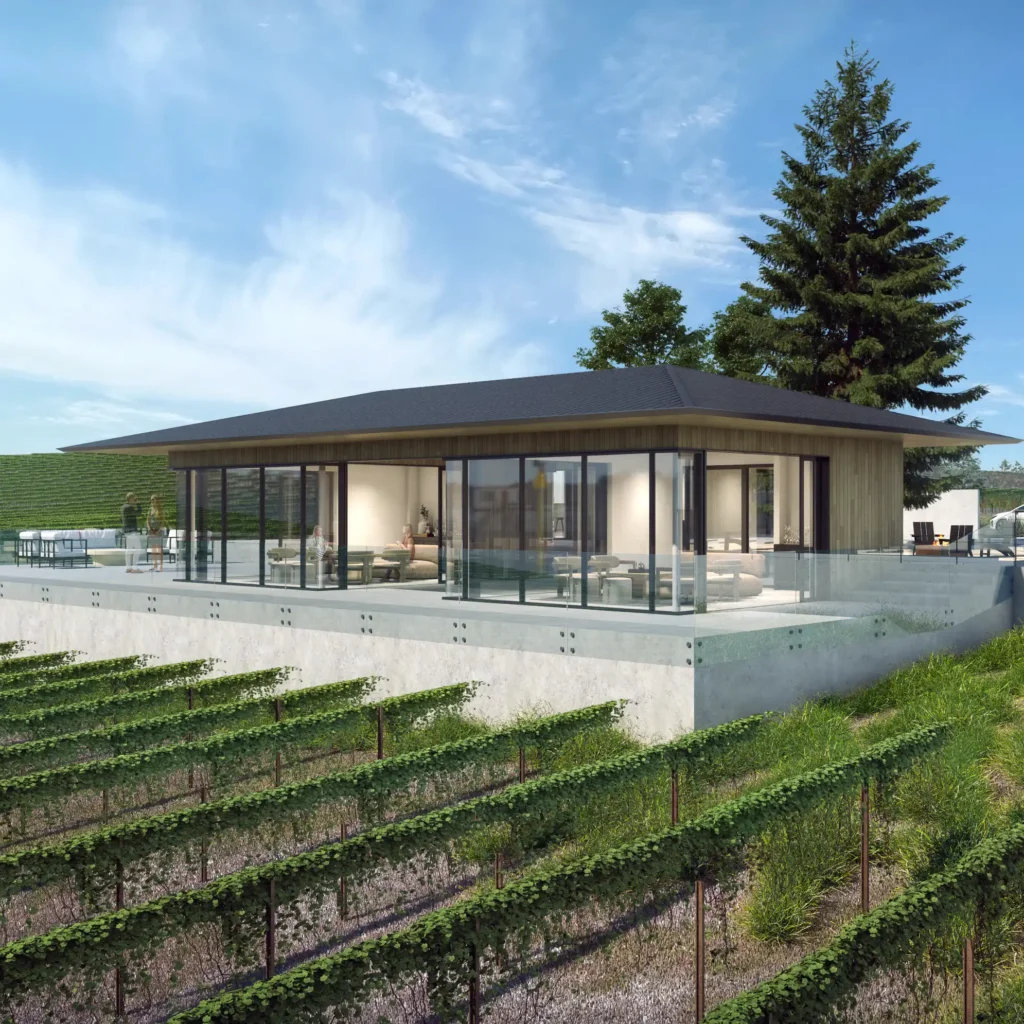
Ambar Estate Announces Grand Opening of Tasting Room on June 20, Summer Solstice
SIP Magazine spotlights Ambar Estate’s grand opening on the Summer Solstice 2024.
Newberg, Oregon: An Eco-Friendly Journey In Willamette Valley Wine Country
Forbes features eco-friendly options in the Willamette Valley, featuring Ambar Estate.
Oregon Wine Industry is Uncorking New Tasting Rooms
Portland Business Journal highlights a number of new Willamette Valley tasting rooms, including Ambar Estate.